Finding a thyroid nodule does not always mean surgery is necessary. Many nodules are benign and can be monitored safely. Thyroid surgery is generally considered when a growth is suspicious, causes pressure symptoms, produces excess hormones or continues to enlarge.
A structured evaluation helps patients understand whether observation, medication or an operation is the appropriate next step.
Why Thyroid Nodules Develop
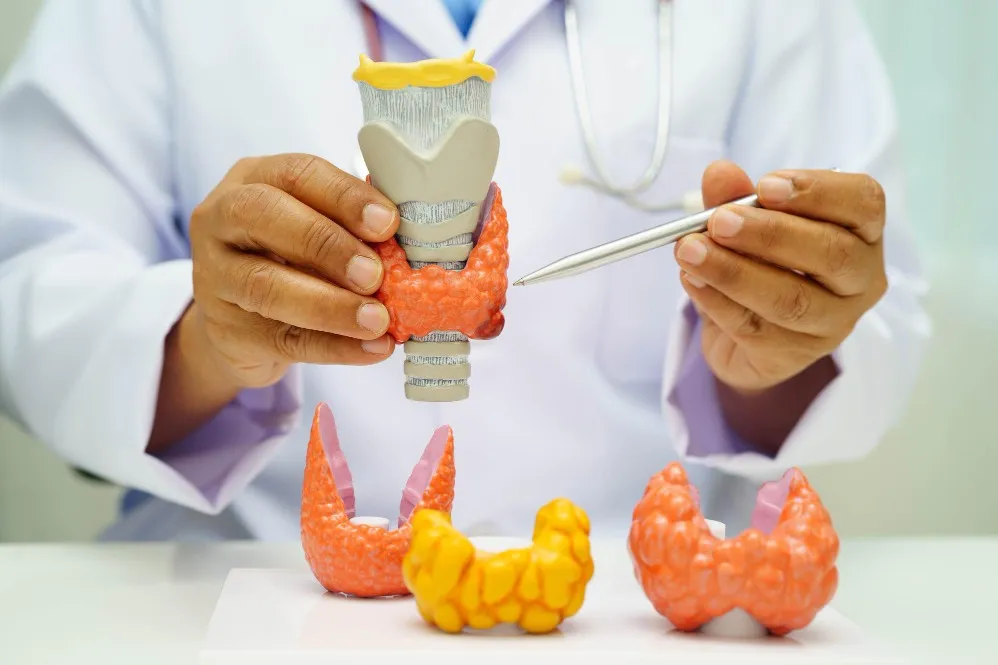
The thyroid is a butterfly-shaped gland in the lower front of the neck. It produces hormones that influence metabolism, temperature regulation and several body functions.
Thyroid swelling may be caused by:
- A single benign nodule
- Multinodular goitre
- A fluid-filled cyst
- Thyroid inflammation
- An overactive nodule
- Thyroid cancer
Most small nodules do not cause noticeable symptoms. Larger growths may create visible neck swelling, throat pressure, difficulty swallowing or breathing discomfort when lying down.
Tests Used Before Surgery
A thyroid evaluation commonly includes clinical examination, thyroid-function blood tests and neck ultrasound. Ultrasound describes the nodule’s size, composition, margins, calcification and relationship to nearby structures.
Fine-needle aspiration cytology may be recommended for nodules that meet specific size or ultrasound criteria. A small sample of cells is examined to assess whether the nodule appears benign, suspicious or malignant.
Additional investigations may include:
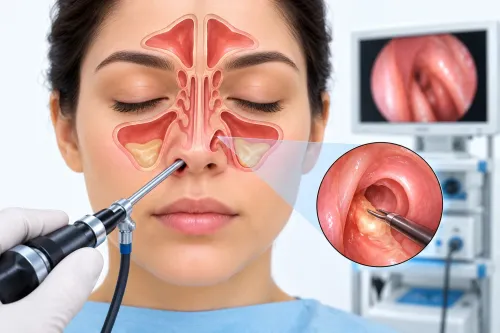
- Laryngoscopy to assess vocal-cord movement
- CT imaging for a large or deeply extending goitre
- Thyroid scanning in selected overactive nodules
- Calcium or other blood tests
- Examination of neck lymph nodes
These results help determine whether surgery is required and how much of the gland should be removed.
When an Operation May Be Recommended
Thyroid surgery may be considered for:
- Confirmed or suspected thyroid cancer
- A nodule with concerning cytology
- A goitre causing swallowing or breathing difficulty
- Progressive enlargement
- Extension of the thyroid into the chest
- Certain cases of hyperthyroidism
- Recurrent thyroid cysts
- Significant cosmetic or pressure-related concerns
The procedure may remove one thyroid lobe or most or all of the gland. The extent depends on the diagnosis, nodule location, risk profile and condition of the opposite lobe.
Understanding Important Surgical Considerations
The recurrent laryngeal nerves run close to the thyroid and control vocal-cord movement. The parathyroid glands, which regulate calcium, also lie near or behind the thyroid. Protecting these structures is a central part of thyroid surgery.
Potential risks include bleeding, infection, temporary or persistent voice change and low calcium after extensive surgery. The individual level of risk depends on the operation and the complexity of the disease.
Patients having the entire thyroid removed normally require lifelong thyroid-hormone replacement. Those undergoing removal of one lobe may or may not need medication, depending on postoperative hormone levels.
Preparing for a Surgical Consultation in Nashik
Patients seeking thyroid surgery in Nashik should carry their ultrasound report, thyroid blood tests, cytology results and details of previous treatment. Comparing old ultrasound reports helps the surgeon determine whether a nodule is changing.
Helpful questions include:
- Why is surgery being advised?
- Can the nodule be monitored instead?
- How much thyroid tissue needs removal?
- Will lymph nodes also require treatment?
- How will voice and calcium levels be monitored?
- Is hormone replacement likely afterward?
Omkar ENT Hospital provides evaluation for thyroid and related neck conditions, with surgery planned according to clinical, imaging and cytology findings.
A thyroid operation should follow a clear diagnosis rather than the discovery of a lump alone. Careful assessment helps avoid unnecessary surgery while ensuring that suspicious or compressive disease receives timely treatment.
Keywords