A hearing aid device should make communication easier without making everyday sound uncomfortably loud. Choosing a device only by price, size or online ratings can lead to poor benefit because hearing loss differs from one person to another.
A suitable hearing aid is selected after ear examination, diagnostic testing and discussion of the user’s daily listening requirements.
Start With a Proper Hearing Test
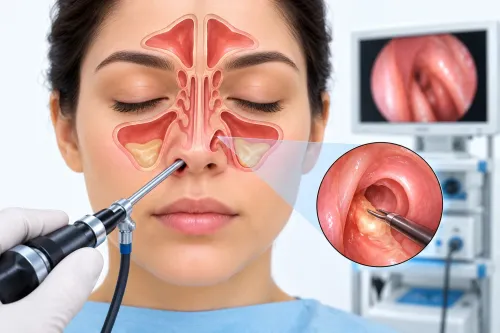
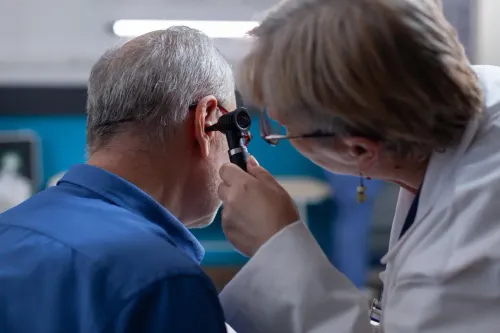
Pure-tone audiometry measures the softest sounds a person can hear at different frequencies. Speech testing helps show how clearly words are understood. Ear examination and tympanometry may identify wax, middle-ear fluid, eardrum disease or other conditions that require treatment.
The hearing report helps determine:
- The degree of hearing loss
- Frequencies most affected
- Whether one or both ears need amplification
- Expected speech understanding
- The amount of power required
- Whether medical treatment should come first
Children, people with one-sided hearing loss and adults with sudden or rapidly changing hearing should receive specialist evaluation rather than purchasing a generic amplifier.
Common Hearing Aid Styles
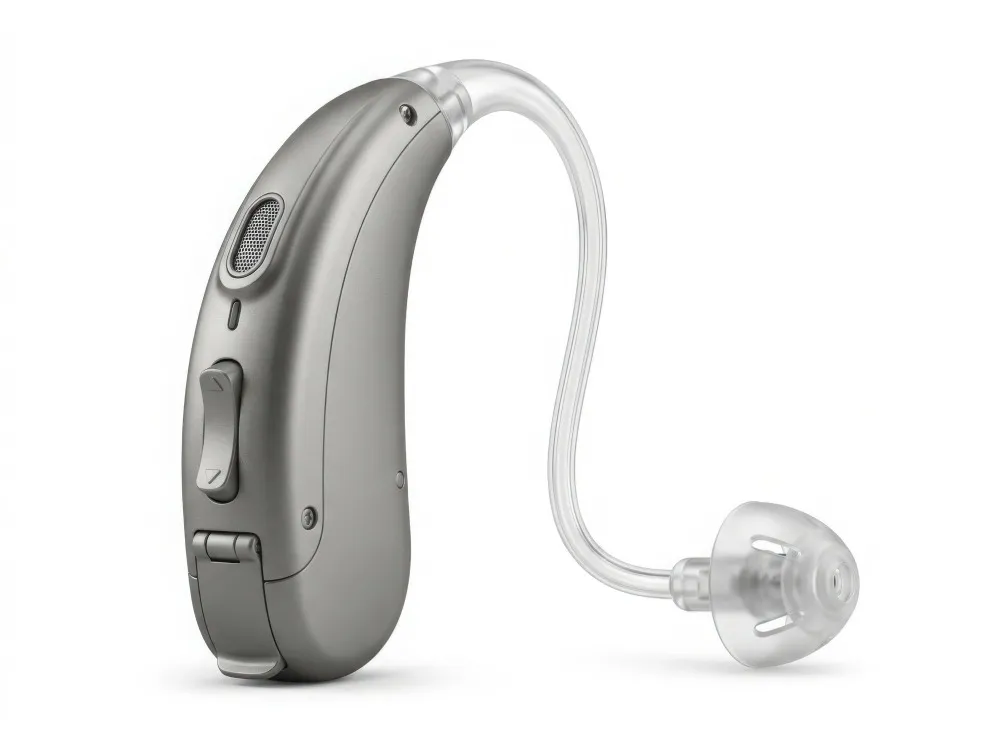
Behind-the-ear devices sit behind the ear and connect to an earmould or receiver. They can suit a broad range of hearing levels and may be easier to handle.
Receiver-in-canal models use a small external case with a receiver positioned in the ear canal. They are discreet but require protection from wax and moisture.
In-the-ear devices are customised to the ear. Their suitability depends on hearing level, ear-canal size and the user’s ability to manage small controls.
Rechargeable models reduce routine battery handling, while disposable-battery devices may suit users who cannot charge equipment consistently. Neither option is universally better.
Features That Influence Real-World Benefit
Modern hearing aids may offer:
- Directional microphones
- Background-noise management
- Feedback control
- Multiple listening programs
- Bluetooth connectivity
- Telecoil access
- Remote adjustments
- Rechargeable batteries
More features do not automatically produce better hearing. The chosen technology should address the environments that matter to the user, such as family conversations, classrooms, meetings, religious gatherings or phone calls.
Questions to Ask Before Buying
A responsible hearing aid consultation should answer:
- Is this device suitable for my hearing test?
- Should I use one device or two?
- What trial or adjustment process is available?
- How many follow-up programming sessions are included?
- What is the warranty?
- How are repairs handled?
- What ongoing maintenance is required?
- Can I manage the controls comfortably?
The National Institute on Deafness and Other Communication Disorders explains that hearing aids require appropriate selection, fitting and adjustment to provide useful amplification. Review how hearing aids work.
Fitting Is Not the Final Step
The brain may need time to become accustomed to sounds that were previously missed. Initial programming is therefore followed by gradual use and further adjustments.
Users should report excessive sharpness, unclear speech, whistling, poor fit or discomfort instead of leaving the device unused. Family members can help by speaking clearly, reducing background noise and facing the listener.
Regular cleaning, wax-filter replacement and protection from moisture extend device life. Hearing should also be retested periodically because it can change.
Choosing a Hearing Aid Device in Nashik
Nashik users may need support for conversations in busy markets, workplaces, classrooms and family gatherings. Climate, dust, perspiration and access to repair services should be considered alongside sound quality.
Omkar ENT Hospital evaluates hearing before recommending amplification and helps patients understand the available device categories. The objective is to match technology with clinical findings and practical communication needs.
A successful hearing aid fitting is a process rather than a one-time purchase. Accurate testing, realistic expectations, professional programming and dependable follow-up determine whether the device becomes a useful part of daily life.
Keywords