Recovery does not end when pain settles or the discharge summary is filed. The timing and content of your next appointment help identify infection, bleeding, poor healing, recurrent blockage, hearing changes and other complications before they become harder to treat; by the end, you will know when to book, what will happen and which warning signs need urgent care.
Key takeaways
- Ask your treating team for the first follow-up date before leaving hospital.
- Call sooner if recovery symptoms worsen instead of waiting for a scheduled review.
- Bring discharge papers, medicines, test results, and a symptom timeline.
- Keep follow-up appointments even when you feel better.
When should you book your first ENT recovery appointment?
There is no single timetable for a first ENT recovery appointment: book it according to the treatment, operated area and your symptoms. Ask your treating team for the exact date before leaving the hospital, and call sooner if symptoms worsen instead of waiting.
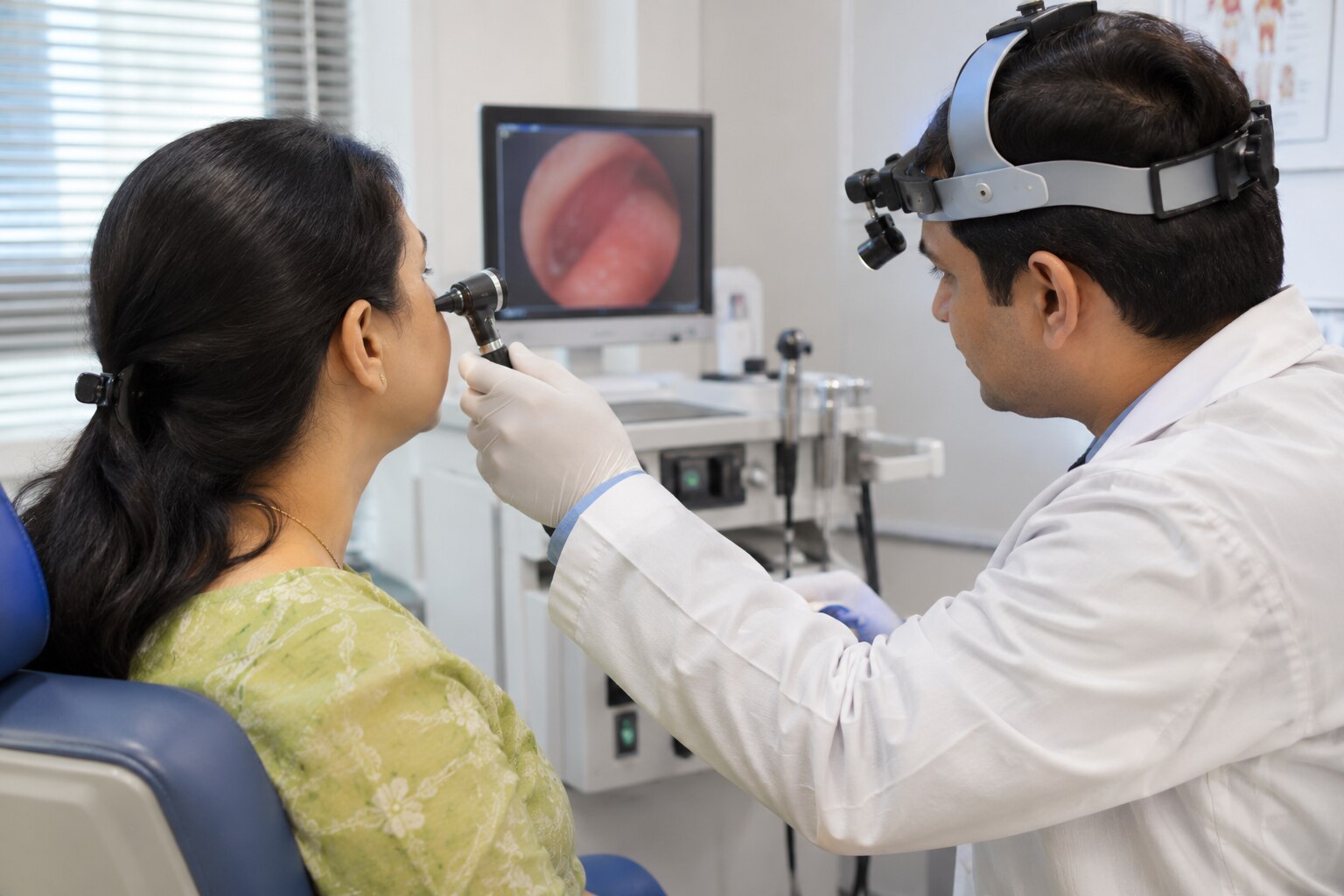
1. After endoscopic sinus surgery, attend the early review for nasal endoscopy. The specialist may remove crusts, blood clots or adhesions and adjust saline irrigation or prescribed topical treatment. Congestion can persist while the nasal lining heals; early blockage does not prove that surgery failed.
2. After tympanoplasty or another ear operation, the first examination checks the graft, ear canal, packing, fluid and infection. Hearing can remain reduced because of packing, swelling or a healing graft, so this examination and later formal audiometry answer different questions.
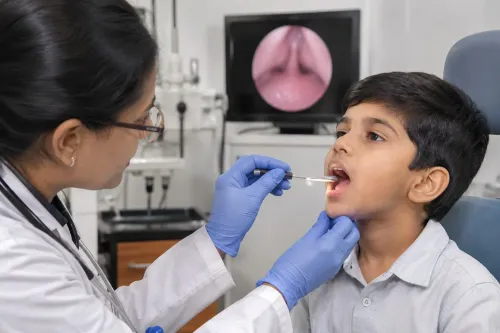
3. After tonsillectomy, schedule follow-up around throat pain, referred ear pain, bad breath, tonsil-bed coating and bleeding risk. Bright-red or continuing bleeding needs urgent medical assessment, not a routine appointment.
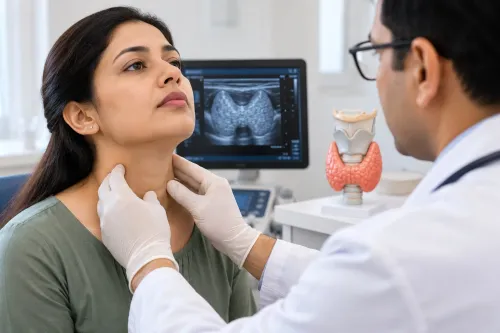
4. After cancer surgery, book review for examination of the treated site and neck, pathology review and assessment of treatment effects. Do not delay a new lump, unexplained bleeding or worsening swallowing difficulty.
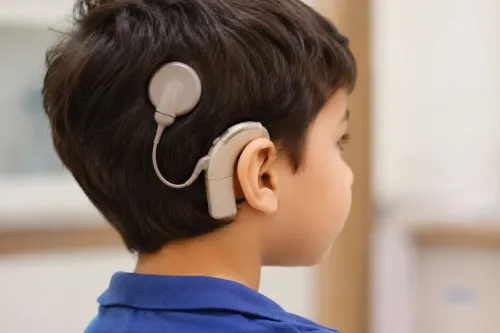
5. After hearing-aid fitting or cochlear implantation, keep the planned appointments for device checks, programming or mapping, wound review and hearing-performance assessment. These intervals differ from surgical follow-up.
A post treatment ENT follow up in Nashik may involve examination, endoscopy, hearing testing or another procedure. When arranging a follow up ENT consultation after treatment in Nashik, confirm the date, tests and activity restrictions before you leave.
What happens during an ENT follow-up visit?
A post-treatment ENT follow-up starts with a symptom and medicine review. Tell the specialist when pain, discharge, bleeding, fever, blockage, dizziness, swallowing difficulty, voice change or hearing loss began, whether it improved and what changed afterward. Bring every medicine, including nasal sprays, ear drops, painkillers, antibiotics, anticoagulants and non-prescription products.
1. The clinician matches the examination to your treatment. Nasal endoscopy checks swelling, drainage, crusting, infection, adhesions and recurrent blockage. Ear microscopy inspects a graft, canal, eardrum, packing, fluid or discharge. Throat and neck examination assesses wound healing, infection, swelling and vocal function.
2. A pack, dressing, crust or suture may be removed when it is safe. Audiometry measures hearing after the ear has healed enough for a meaningful comparison. Imaging or a pathology report may be reviewed after treatment for deeper disease or cancer, including examination of the original site and neck.
3. The specialist checks your drop, spray and irrigation technique, reconciles duplicate medicines and discusses smoke exposure. They decide whether you need observation, a medicine change, a culture, another procedure or further testing. Antibiotics are not automatic: clinical findings, allergies, recent antibiotic use and culture results guide that decision.
Use an ENT recovery appointment in Nashik to clarify restrictions and next tests. An ear nose throat follow up should also confirm when water exposure, nose blowing, exercise, air travel or hearing-aid use can resume.
Which recovery symptoms are normal, and which need urgent care?
At an ENT recovery appointment in Nashik, describe symptoms even when they seem ordinary. After tonsillectomy, throat pain, ear-referred pain, bad breath and a white or yellow coating over the tonsil beds can reflect healing. After sinus surgery, congestion, crusting and changing discharge can continue as the nasal lining repairs.
Ear-surgery patients can have muffled hearing from packing, swelling, fluid or a healing graft.
| Symptom or situation | What it can mean | What to do |
|---|---|---|
| Tonsil pain, ear pain, bad breath, white or yellow coating | Expected tonsil-bed healing | Record it for review |
| Sinus congestion, crusting, fluctuating discharge | Healing inflammation, but also infection, scarring, recurrent disease or allergy | Report changes at your ear nose throat follow up |
| Muffled hearing after ear surgery | Packing, swelling, fluid or graft healing | Keep the review; do not assume permanent hearing loss |
| Bright-red or continuing bleeding, breathing difficulty, rapidly increasing facial or neck swelling, inability to keep fluids down, severe dehydration | Possible urgent complication | Seek urgent medical assessment now |
| High fever with deterioration, foul-smelling discharge, sudden hearing loss or new vision changes | Possible infection or significant complication | Do not wait for routine review |
Contact the treating team promptly if symptoms become markedly worse after initial improvement or pain escalates despite the prescribed plan. After cancer treatment, report a new lump, unexplained bleeding, progressive swallowing difficulty, persistent voice change or unexplained weight loss rather than saving it for a distant visit.
Ask before air travel, swimming, strenuous exercise, nose blowing or hearing-aid use after ear surgery; timing depends on the graft and examination findings.
Why attend when you feel better, and who should review you?
Feeling better does not prove that the treated site has healed. A follow-up examination can detect fluid behind the eardrum, a graft problem, wound infection, poor healing, persistent nasal inflammation, adhesions, recurrent blockage, vocal changes or a complication that has not caused obvious symptoms.
A follow up ENT consultation after treatment in Nashik also checks whether hearing, breathing, swallowing or voice has returned to the intended baseline. That assessment helps the specialist change medicines or lift restrictions safely.
| Reviewer | What they can assess | When to choose them |
|---|---|---|
| General practitioner | Routine illness, basic review and care coordination | When symptoms are unrelated to the procedure or specialist care is unavailable |
| ENT specialist | Nasal endoscopy, ear microscopy, postoperative throat assessment, audiometry, imaging and pathology interpretation | For planned healing checks and treatment-specific decisions |
| Emergency department | Heavy bleeding, airway difficulty, severe dehydration, rapidly increasing swelling, sudden neurological or vision symptoms | For urgent danger, not routine healing assessment or long-term treatment adjustment |
An ENT specialist review in Nashik is especially important when your operation involved the ear, sinuses, throat, voice or cancer treatment. Choose a service that can access your operative findings and arrange the required examination or testing; Omkar ENT Hospital - 08042755812 may be one local option.
Seek emergency care for active red-flag symptoms rather than waiting for a scheduled review.
Related services
thyroid and parotid glands operations ₹100000 What is Head & Neck Cancer Surgery? Head and neck cancer surgery is a treatment approach for cancers that originate in the head and neck region,... View service → |
ear nose and throat consultation Consultation ₹700 Best ENT HEALTHCARE CONSULTATION |
What should you take to your post-treatment ENT follow-up?
Prepare a short recovery record for your post-treatment ENT follow-up in Nashik instead of relying on memory. Write the treatment date, original symptoms, first day of improvement, any setback, current pain score, temperature readings with times, and the timing, colour and amount of discharge or bleeding.
Bring these records and documents:
- Operation note and discharge summary
- Pathology report, scan report and imaging disc
- Previous audiogram or other hearing-test results
- Allergy history and complete current medicine list
| Take with you | Why it helps |
|---|---|
| Nasal spray, ear drops, painkillers and other products | The specialist can check the dose and your technique |
| Medicine packaging or prescription | It helps identify duplicate ingredients and missed doses |
| Symptom timeline | It shows a trend against your pre-treatment baseline |
Record missed doses, side effects, smoking or other tobacco exposure, water exposure, air travel and activities that changed your symptoms. Bring the actual products if you are unsure how to use them.
Ask these four questions during your ENT specialist review in Nashik:
- Is the wound or graft healing as expected?
- When can each restriction end?
- Which symptoms require a same-day call?
- When is the next hearing test, endoscopy, scan or review?
Keep the appointment even when symptoms have returned to normal. The review can confirm healing, stop unnecessary treatment or detect a problem before it causes lasting damage.
Frequently asked questions
When should you book your first ENT recovery appointment?
Book it according to your treatment, operated area, and symptoms. Ask your treating team for the exact date before leaving hospital, and call sooner if symptoms worsen.
What happens during an ENT follow-up visit?
The ENT specialist reviews your recovery, examines the treated ear, nose, or throat area, checks your symptoms and medicines, and decides whether further care is needed.
Which recovery symptoms are normal, and which need urgent care?
Expected symptoms depend on the treatment. Worsening symptoms require an earlier call to your treating team instead of waiting for the next appointment.
Why attend an ENT follow-up when you feel better?
Feeling better does not replace a review. Attend so the specialist can assess healing, confirm the next steps, and identify problems you might not notice.
What should you take to your post-treatment ENT follow-up?
Take your discharge papers, current medicines, test results, and a record of symptoms or changes since treatment.
Related services
Nose block and stichless endoscopy sinus operations ₹75000 What is Sinus Surgery? Sinus surgery, also known as endoscopic sinus surgery, is a medical procedure performed to treat chronic sinusitis or other... View service → |
Best hearings solutions with complete hearing satisfaction ₹25000 What are Hearing Aids? Hearing aids are small electronic devices designed to amplify and modulate sound to help individuals with hearing loss hear... View service → |
Sleep with sound mind peaceful nights Snoring ₹100000 What is Snoring? Snoring is a harsh sound, a common condition characterized by the sound produced during sleep when the flow of air through the mouth... |
Stichless ear operations ₹50000 What is Micro Ear Surgery? Ear surgery, also known as otologic surgery, refers to surgeries performed to correct conditions that affect the structure... View service → |
Keywords