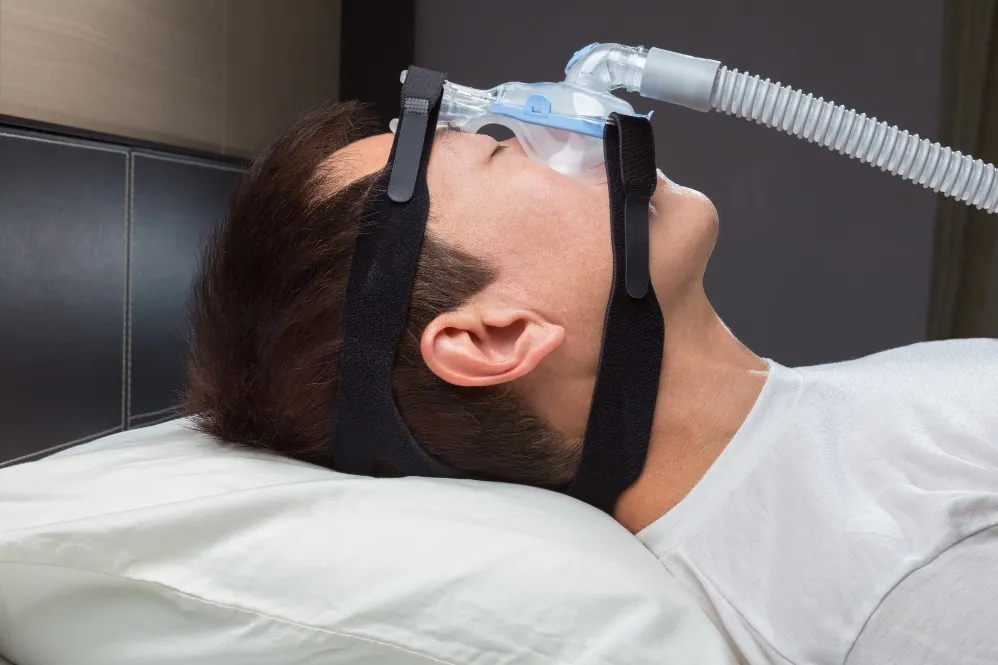
Obstructive sleep apnoea is more than habitual snoring. It involves repeated narrowing or blockage of the upper airway during sleep, causing breathing interruptions, oxygen changes and fragmented rest.
Obstructive sleep apnoea surgery may help selected patients, but no single procedure suits every airway. Effective planning begins by locating the areas of obstruction and understanding the severity of the condition.
Symptoms That Suggest Sleep Apnoea
Common nighttime and daytime signs include:
- Loud habitual snoring
- Witnessed breathing pauses
- Choking or gasping during sleep
- Restless sleep
- Dry mouth on waking
- Morning headaches
- Excessive daytime sleepiness
- Reduced concentration
- Irritability
- Poor school performance in children
Children may appear hyperactive rather than sleepy. Enlarged tonsils and adenoids are common contributors in paediatric cases, while adults may have obstruction involving the nose, palate, tongue base or several levels.
Diagnosis Should Precede Surgery
A sleep study measures breathing events, oxygen levels and sleep disruption. The result helps classify disease severity and provides a baseline for treatment.
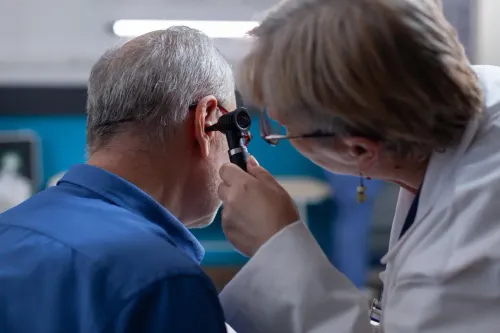
The assessment may also include:
- Body mass index and neck examination
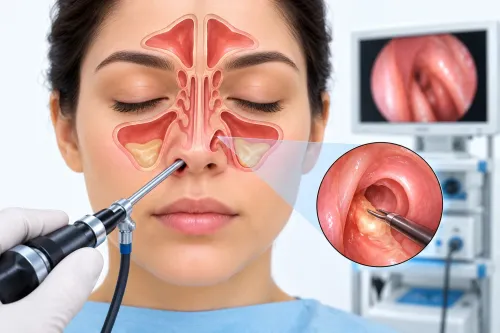
- Nasal endoscopy
- Tonsil-size evaluation
- Jaw and tongue position
- Thyroid and medical history
- Blood-pressure assessment
- Review of alcohol, sedatives and sleep habits
Drug-induced sleep endoscopy may be considered in selected cases to observe airway collapse during a sleep-like state.
Non-Surgical Treatment Options
Positive airway pressure therapy is an established treatment for many adults. A properly fitted oral appliance may help selected patients, especially those with mild to moderate disease. Weight management, positional measures, treatment of nasal obstruction and avoidance of alcohol or sedatives near bedtime may also form part of care.
Difficulty tolerating a mask should lead to troubleshooting rather than immediate abandonment. Different masks, pressure settings, humidification and gradual acclimatisation can improve comfort.
When Surgery May Be Appropriate
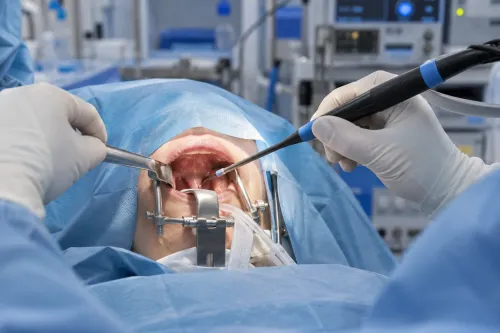
Surgical treatment is generally considered when there is a correctable anatomical obstruction, another treatment is unsuitable or symptoms remain uncontrolled despite appropriate efforts.
Possible procedures include:
- Septal or turbinate surgery for significant nasal obstruction
- Tonsil or adenoid surgery
- Palatal procedures
- Tongue-base treatment
- Jaw-advancement surgery
- Multilevel airway surgery
Nasal surgery alone may improve airflow and tolerance of positive airway pressure but may not cure sleep apnoea when obstruction occurs elsewhere.
Questions to Ask a Sleep Apnoea Surgeon
Patients considering surgery should ask:
- Where does my airway collapse?
- What does my sleep study show?
- Which procedure is being proposed?
- What degree of improvement is realistic?
- Will I still need positive airway pressure?
- How will the result be measured?
- What are the anaesthetic and bleeding risks?
A postoperative sleep study may be needed because reduced snoring does not prove that all breathing events have resolved.
Seeking Evaluation in Nashik
Patients looking for obstructive sleep apnoea surgery in Nashik should choose a facility that evaluates the complete upper airway instead of recommending the same operation for everyone.
Omkar ENT Hospital assesses nasal, throat, tonsil, adenoid and other ENT factors that may contribute to sleep-related obstruction. Treatment is planned according to examination findings and sleep-study results where indicated.
Untreated sleep apnoea can affect alertness, cardiovascular health and daily functioning. Surgery can be valuable for suitable anatomy, but careful diagnosis and objective follow-up are essential parts of responsible treatment.
Keywords