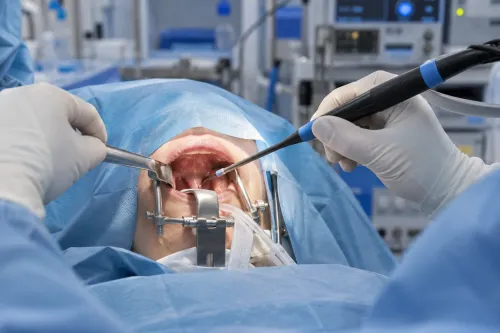

Adenoids are pads of immune tissue located behind the nose, where they cannot be seen by looking into a child’s mouth. When enlarged or chronically inflamed, they may obstruct nasal breathing, affect sleep and contribute to middle-ear problems.
Laser adenoid surgery may be considered after an ENT evaluation confirms that enlarged adenoids are contributing to significant symptoms.
Signs of Enlarged Adenoids
Children with adenoid enlargement may develop:
- Persistent mouth breathing
- Nasal speech
- Snoring
- Restless sleep
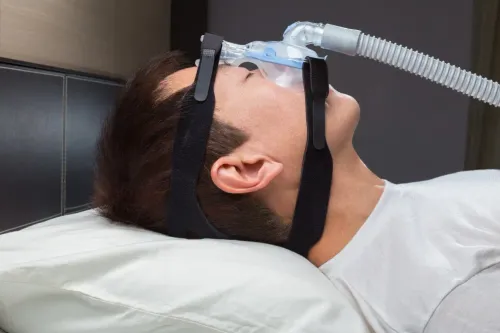
- Pauses or gasping during sleep
- Chronic nasal discharge
- Recurrent ear infections
- Fluid behind the eardrum
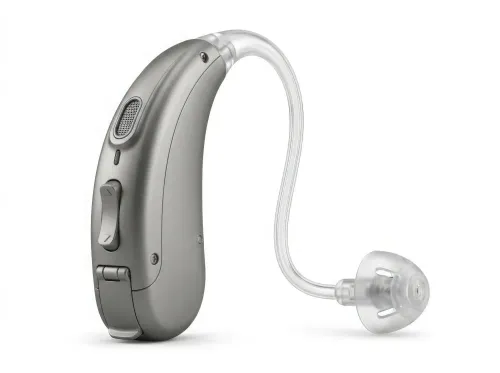
- Reduced hearing
- Daytime irritability or poor concentration
Not every child who snores needs surgery. Temporary nasal blockage during a cold, allergy, enlarged tonsils, obesity and structural nasal conditions can also disturb breathing.
How Adenoids Are Assessed
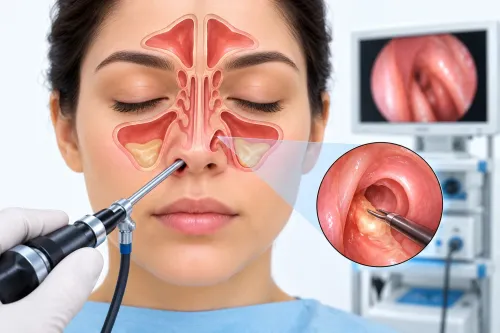
The ENT specialist reviews the child’s breathing, sleep, ear health, growth and frequency of infections. Nasal endoscopy may be used to see the adenoids directly. A lateral X-ray is sometimes considered, although it provides less direct information than endoscopy.
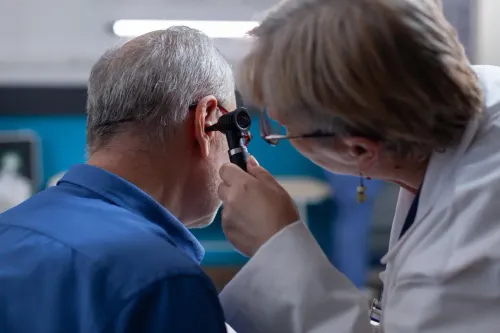
Hearing tests or tympanometry may be advised when there is suspected middle-ear fluid. A sleep study can be useful when obstructive sleep apnoea is suspected or symptoms and examination findings do not clearly match.
The adenoids and tonsils are evaluated together because both may contribute to upper-airway obstruction. The American Academy of Otolaryngology notes that enlarged or infected tonsils and adenoids can affect breathing and sleep. Read the patient overview of tonsils and adenoids.
What Laser Adenoid Surgery Involves
Adenoidectomy is performed through the mouth under anaesthesia, so an external skin incision is generally unnecessary. Laser is one of several instruments that may be used to remove or reduce adenoid tissue.
The aim is to clear the obstructing tissue while protecting nearby structures. Depending on the child’s condition, adenoid surgery may be performed alone or combined with tonsil surgery or placement of ventilation tubes in the ears.
Families should understand that the term “laser” does not guarantee a painless or risk-free procedure. Bleeding, infection, temporary nasal regurgitation, voice changes and residual or regrown tissue are possible, although serious complications are uncommon.
Preparing a Child for Surgery
Parents should tell the surgical team about:
- Fever, cough or a recent infection
- Asthma or allergy
- Bleeding problems
- Medicines and supplements
- Previous anaesthetic concerns
- Loose teeth
- Sleep-related breathing episodes
Fasting instructions must be followed precisely. Surgery may need to be postponed if the child has an active respiratory illness or another concern that increases anaesthetic risk.
Recovery and Monitoring
Temporary sore throat, nasal congestion, bad breath and mild ear discomfort may occur. The child should drink regularly and take only prescribed or approved medicines.
Urgent review is needed for fresh bleeding, breathing difficulty, repeated vomiting, inability to drink, unusual sleepiness or signs of dehydration.
Parents in Nashik should also consider travel distance and access to emergency care when planning the first postoperative days. The surgeon will advise when the child can return to school, sports and normal food.
Omkar ENT Hospital evaluates children with adenoid-related breathing, hearing and sleep symptoms. Surgery is considered after determining whether enlarged adenoids are the main cause.
The appropriate operation is based on the child’s overall airway and ear health, not simply the presence of adenoid tissue.
Keywords