Hearing difficulty may develop gradually or appear suddenly. Some people struggle mainly in noisy environments, while others increase television volume, miss phone conversations or notice that speech sounds unclear.
Effective hearing disorder treatment begins with determining whether the problem lies in the outer ear, middle ear, inner ear or hearing nerve.
Three Main Types of Hearing Loss
Conductive hearing loss occurs when sound cannot travel efficiently through the ear canal or middle ear. Causes include impacted wax, fluid behind the eardrum, perforation, infection or damage to the hearing bones.
Sensorineural hearing loss involves the inner ear or hearing nerve. Ageing, prolonged noise exposure, certain medicines, infections and inherited conditions are possible causes.
Mixed hearing loss includes both conductive and sensorineural components.
The treatment differs considerably between these categories, so purchasing a hearing device without an examination can miss a treatable ear condition.
What a Hearing Assessment Includes
An ENT evaluation may involve:
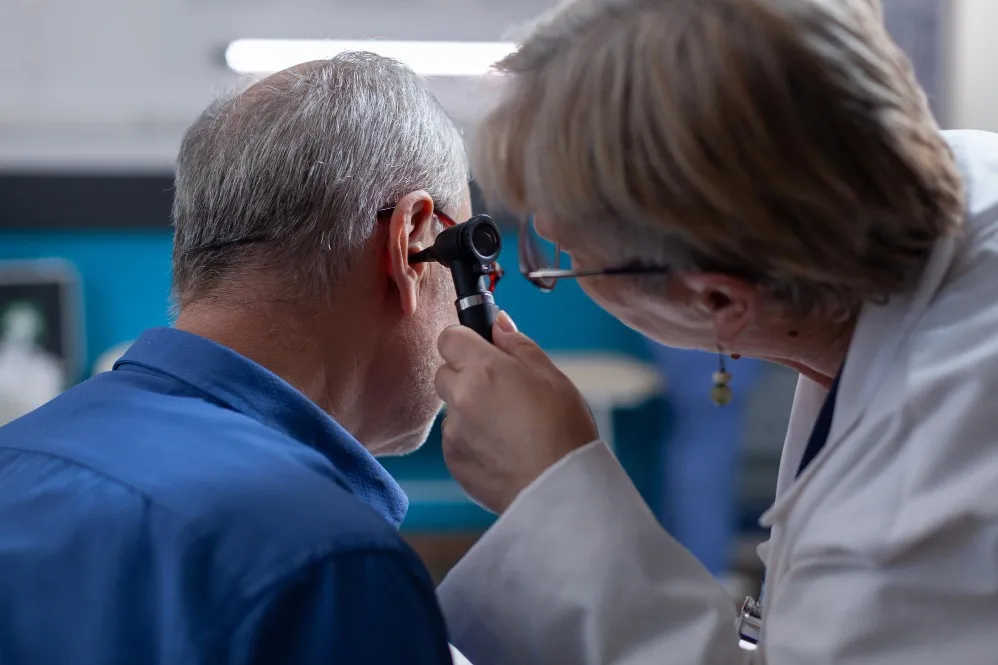
- Examination of the ear canal and eardrum
- Pure-tone audiometry
- Speech testing
- Tympanometry
- Otoacoustic emission testing
- Auditory brainstem testing for selected patients
- Imaging when symptoms suggest structural disease
Children may require age-appropriate behavioural tests. Parents should seek assessment when a child does not respond to sound, has delayed speech, turns one ear toward speakers or struggles at school.
Treatment Options Depend on the Cause
Wax can often be removed safely in a clinic. Middle-ear infections or fluid may require observation, medicines or a procedure depending on age, duration and hearing effect. A persistent eardrum perforation may be considered for repair.
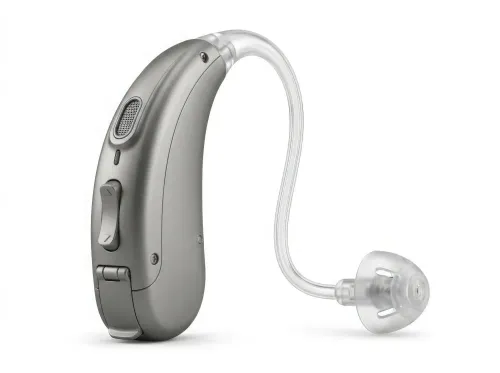
Sensorineural hearing loss is often managed with hearing aids when amplification is suitable. Severe hearing loss may require assessment for implantable hearing technology. Communication strategies and auditory rehabilitation can improve the practical benefit of treatment.
Sudden sensorineural hearing loss is an urgent condition. A rapid drop in hearing over hours or a few days should not be dismissed as wax or congestion. Early specialist evaluation matters because treatment is time-sensitive. The US National Institute on Deafness and Other Communication Disorders identifies corticosteroids as a common treatment for sudden sensorineural hearing loss, depending on clinical assessment. Read the sudden hearing loss guidance.
Warning Signs Requiring Prompt Care
Arrange urgent assessment for:
- Sudden hearing reduction
- Hearing loss with severe dizziness
- Facial weakness
- Ear discharge with severe pain or fever
- Hearing loss after head injury
- A foreign object or battery in a child’s ear
- One-sided hearing loss with persistent tinnitus
- Neurological symptoms
These findings do not always indicate a serious disorder, but they should not be managed solely with home remedies.
Avoiding Preventable Ear Damage
Cotton buds, hairpins and other objects can push wax deeper or injure the eardrum. Unprescribed ear drops or oil may be unsafe when a perforation is present. Exposure to loud machinery, music systems and firecrackers should be limited, with suitable hearing protection used when needed.
People working around industrial noise in and around Nashik should consider periodic hearing tests even before they notice significant symptoms.
Omkar ENT Hospital provides hearing evaluation for adults and children, including assessment of ear disease that may require medical, surgical or rehabilitative treatment.
Hearing loss is not one diagnosis. Identifying its type, severity and effect on communication allows treatment to address the actual problem instead of merely increasing sound volume.
Keywords