Nose Doctor In Nashik
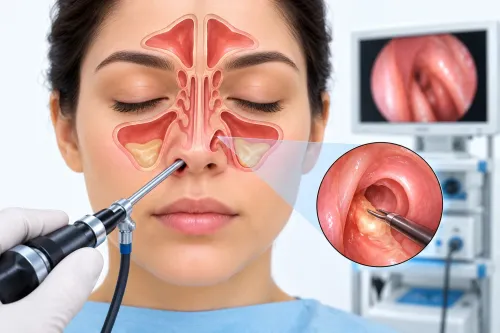
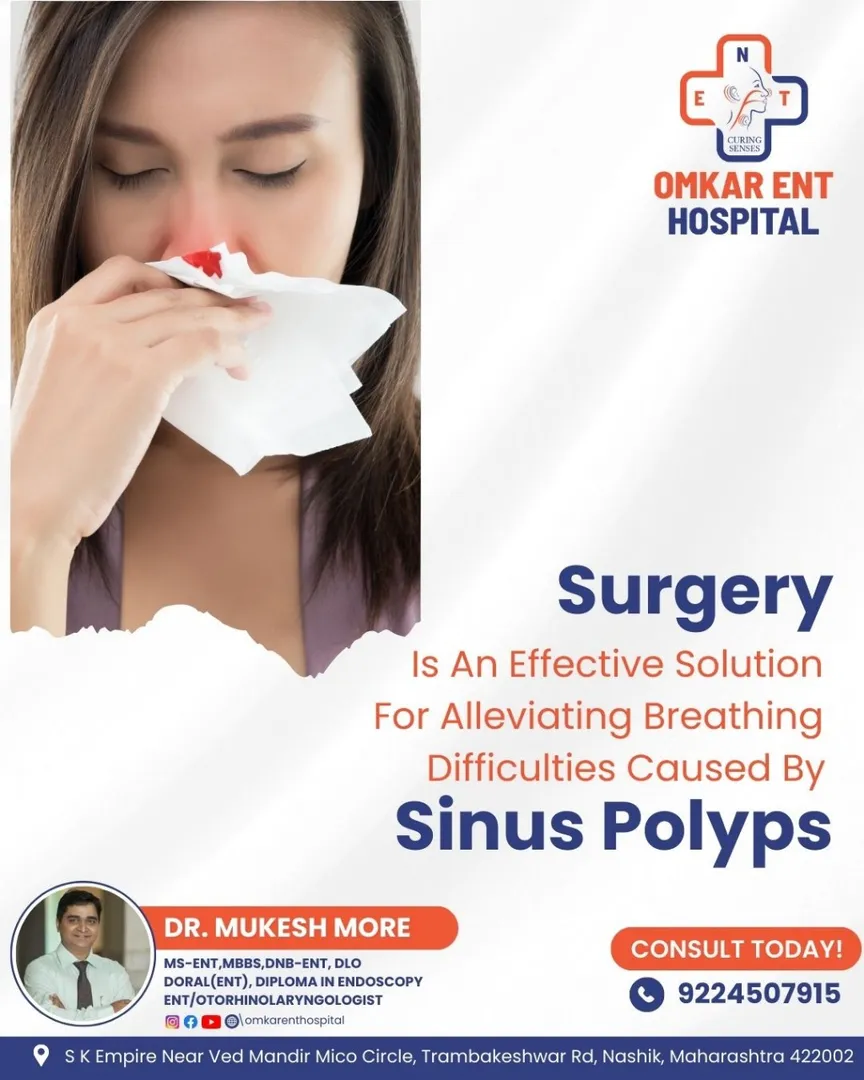
Nasal polyps are painless growths inside the nose or the hollow areas inside the bones of the face, also known as sinuses. Nasal polyps aren't cancer.
Small nasal polyps might not cause symptoms. Larger growths or groups of nasal polyps can block the nose. They can lead to breathing problems, not being able to smell and infections.
Symptoms
Nasal polyps are linked to irritation and swelling, also called inflammation, of the inside of the nose and sinuses that lasts more than 12 weeks. This is known as chronic sinusitis. But it's possible to have chronic sinusitis without getting nasal polyps.
People who have small nasal polyps might not know they have them. But having more than one polyp or having a large polyp can block the nose.
Common symptoms of chronic sinusitis with nasal polyps include:
Runny, stuffy nose.
Mucus running down the throat, also known as postnasal drip.
Not being able to smell.
Not being able to taste.
Facial pain or headache.
Pain in the teeth.
A sense of pressure over the forehead and face.
Snoring.
When to see a doctor
See a health care provider for symptoms that last more than 10 days. Symptoms of chronic sinusitis and nasal polyps are like those of many other illnesses, including the common cold.
Seek medical care right away or call 911 or your local emergency number if you have:
Symptoms that quickly get worse.
Seeing double or other vision changes.
Swollen forehead.
Pain or swelling around the eyes.
A bad headache that keeps getting worse.
Stiff neck.
Risk factors
Infections, allergies or any condition that causes long-term inflammation in the nose or sinuses can increase the risk of having nasal polyps.
Conditions often linked to nasal polyps include:
Asthma.
Aspirin sensitivity.
Cystic fibrosis.
Dental infections.
Lack of vitamin D.
Having a family history of nasal polyps also might increase the risk.
#omkarenthospital #enthospital #entclinic #nashikenthospital #drmukeshmore #entspecialist #entnashik #nashikentdoctor #nashikenthospital #drmukeshmoreent
Nasal polyps are painless growths inside the nose or the hollow areas inside the bones of the face, also known as sinuses. Nasal polyps aren't cancer.
Small nasal polyps might not cause symptoms. Larger growths or groups of nasal polyps can block the nose. They can lead to breathing problems, not being able to smell and infections.
Symptoms
Nasal polyps are linked to irritation and swelling, also called inflammation, of the inside of the nose and sinuses that lasts more than 12 weeks. This is known as chronic sinusitis. But it's possible to have chronic sinusitis without getting nasal polyps.
People who have small nasal polyps might not know they have them. But having more than one polyp or having a large polyp can block the nose.
Common symptoms of chronic sinusitis with nasal polyps include:
Runny, stuffy nose.
Mucus running down the throat, also known as postnasal drip.
Not being able to smell.
Not being able to taste.
Facial pain or headache.
Pain in the teeth.
A sense of pressure over the forehead and face.
Snoring.
When to see a doctor
See a health care provider for symptoms that last more than 10 days. Symptoms of chronic sinusitis and nasal polyps are like those of many other illnesses, including the common cold.
Seek medical care right away or call 911 or your local emergency number if you have:
Symptoms that quickly get worse.
Seeing double or other vision changes.
Swollen forehead.
Pain or swelling around the eyes.
A bad headache that keeps getting worse.
Stiff neck.
Risk factors
Infections, allergies or any condition that causes long-term inflammation in the nose or sinuses can increase the risk of having nasal polyps.
Conditions often linked to nasal polyps include:
Asthma.
Aspirin sensitivity.
Cystic fibrosis.
Dental infections.
Lack of vitamin D.
Having a family history of nasal polyps also might increase the risk.
#omkarenthospital #enthospital #entclinic #nashikenthospital #drmukeshmore #entspecialist #entnashik #nashikentdoctor #nashikenthospital #drmukeshmoreent
Keywords