Head and neck symptoms are common, and many are caused by minor infections or temporary inflammation. However, a swelling that does not settle, persistent hoarseness, difficulty swallowing or an unexplained mouth ulcer may require assessment by a head and neck surgeon.
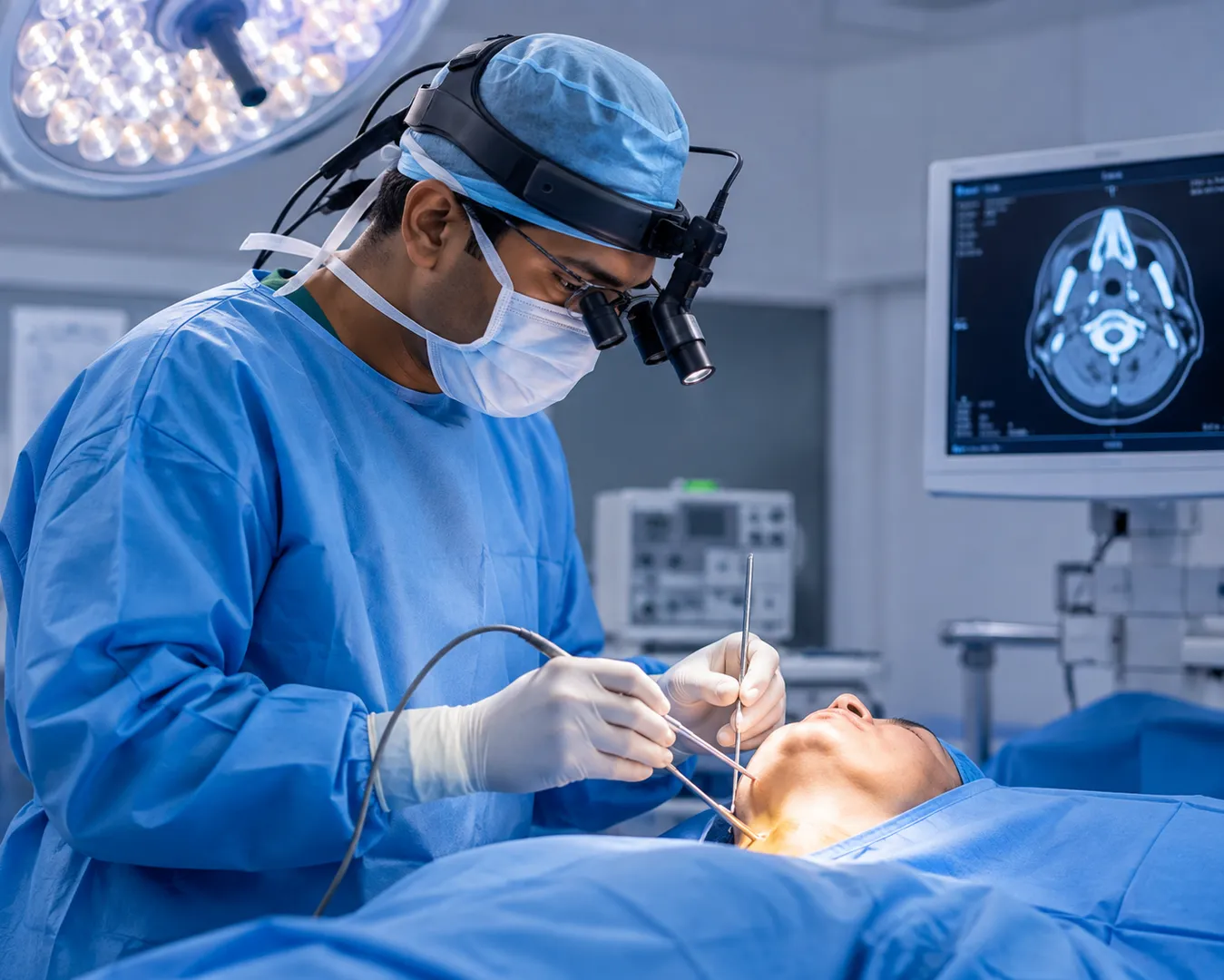
This specialist evaluates conditions involving the mouth, throat, voice box, thyroid, salivary glands, neck and nearby structures. The role includes identifying the cause of symptoms, arranging appropriate investigations and recommending medical or surgical treatment when necessary.
Symptoms That Should Not Be Ignored
An ENT consultation is advisable when symptoms persist despite routine treatment. Important warning signs include:
- A lump in the neck lasting more than two or three weeks
- Persistent hoarseness or a noticeable voice change
- Difficulty or pain while swallowing
- A mouth or tongue ulcer that does not heal
- An unexplained swelling near the jaw or below the ear
- Recurrent blood-stained saliva
- Ongoing throat pain, especially on one side
- Unexplained weight loss
- Persistent nasal blockage or nosebleeds
- Ear pain without an obvious ear infection
These symptoms do not automatically indicate cancer. Infections, thyroid nodules, benign salivary gland tumours and inflammatory conditions can cause similar problems. Nevertheless, timely assessment helps establish the correct diagnosis.
What Happens During an Evaluation?
A head and neck surgeon begins by reviewing the duration, pattern and severity of the symptoms. Tobacco use, alcohol consumption, previous radiation exposure, family history and earlier medical conditions may also be discussed.
The clinical examination may include:
- Inspection of the mouth, tongue and throat
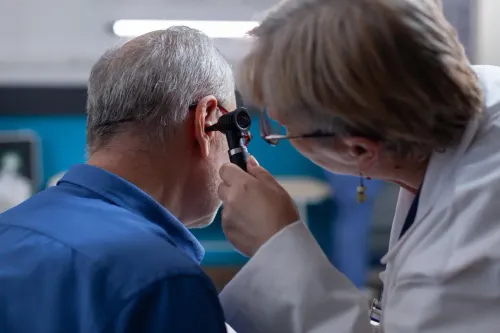
- Examination of the ears and nasal passages
- Assessment of neck lymph nodes
- Evaluation of the thyroid and salivary glands
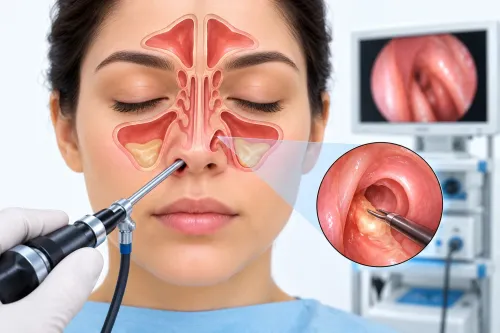
- Flexible endoscopy to examine deeper areas of the nose, throat or voice box
Depending on the findings, the surgeon may advise an ultrasound, CT scan, MRI, blood test, hearing assessment or tissue sampling. Fine-needle aspiration is commonly used to investigate selected neck, thyroid or salivary gland lumps.
Why Early Assessment Matters
Many benign conditions become easier to manage when diagnosed promptly. Early assessment is particularly important when a swelling is growing, swallowing is becoming difficult or the voice has remained altered.
Head and neck cancers can arise in the mouth, throat, larynx, nasal passages or salivary glands. Tobacco, smokeless tobacco, alcohol and certain viral infections are recognised risk factors, but these cancers can also occur in people without an obvious risk factor. The National Cancer Institute recommends medical evaluation for persistent symptoms affecting these areas. Learn about head and neck symptoms and risk factors.
Diagnosis does not always lead directly to surgery. Treatment may involve observation, medication, minimally invasive procedures, surgery, radiotherapy, rehabilitation or a combination of approaches. The decision depends on the condition, its location and its effect on essential functions such as breathing, speaking and swallowing.
Choosing Specialist Care in Nashik
Patients looking for a head and neck surgeon in Nashik should consider more than the availability of an operation. A thorough diagnostic process, clear communication and access to suitable postoperative care are equally important.
Useful questions to ask during the appointment include:
- What are the possible causes of this symptom?
- Which tests are necessary?
- Is observation appropriate?
- Could the condition affect speech or swallowing?
- What treatment alternatives are available?
- Will rehabilitation be required after treatment?
Omkar ENT Hospital evaluates adult and paediatric ENT conditions as well as neck, thyroid and salivary gland concerns. Patients are guided through investigations before a treatment plan is recommended.
A persistent symptom deserves an explanation, even when it appears minor. Consulting a specialist at the appropriate time can reduce uncertainty, identify treatable conditions and prevent avoidable delays in care.
Keywords