Difficulty hearing television, family discussions, phone calls or safety alerts does not automatically mean you need a hearing aid. By the end, you will be able to separate treatable ear problems from aidable hearing loss, compare alternatives and judge whether a properly fitted device justifies its total cost and daily effort.
Key takeaways
- Treat earwax, infection, or middle-ear problems before buying an aid.
- Choose features based on your daily conversations, work, and listening environments.
- Compare fitting, batteries, repairs, and follow-up costs—not just the device price.
- Use a defined trial and track speech understanding in real-life situations.
Start with the cause, not the device
A hearing aid is appropriate only after an examination identifies the type and cause of your hearing loss. Earwax blockage, infection, trapped middle-ear fluid, a perforated eardrum, and some conductive losses need medical or surgical treatment first; amplifying sound before treating them can delay recovery.
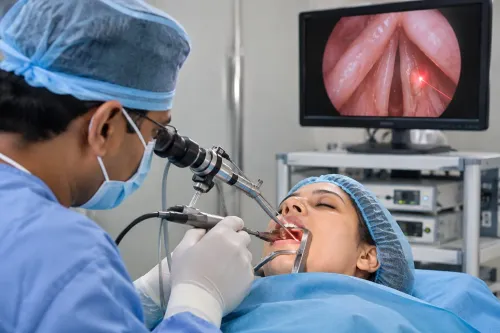
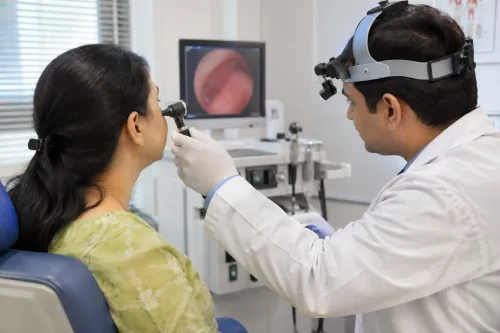
Start with an ENT examination and diagnostic hearing assessment, not a purchase based only on difficulty hearing television or conversation. Ask for:
- Otoscopy to inspect the ear canal and eardrum
- Pure-tone air- and bone-conduction testing to measure hearing thresholds
- Speech testing to show how clearly you understand spoken words
- Tympanometry when middle-ear pressure or fluid needs checking
The results show whether amplification matches your problem. Age-related or noise-related sensorineural loss often suits hearing aids for daily communication, while a fluctuating loss needs its cause investigated before fitting.
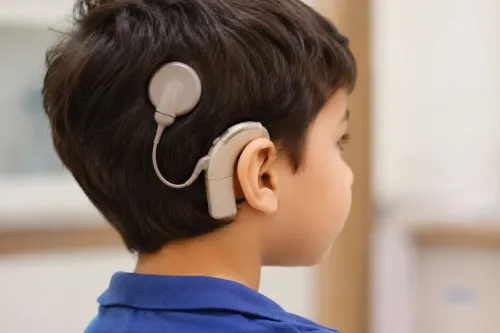
If hearing remains severely or profoundly reduced despite a properly fitted aid, ask about cochlear-implant assessment or specialist rehabilitation rather than simply buying a costlier model.
A suitable aid must be programmed from your measured thresholds, not set only to a loudness you find comfortable. Request real-ear or probe-microphone verification, which checks output across frequencies and helps prevent weak amplification or painful excess volume.
Discuss communication strategies, assistive listening devices, or waiting after treating a reversible problem before committing to a device.
Match the decision to hearing loss and daily activities
Hearing aids are worth buying when hearing loss is persistent and interferes with activities you value, not simply because television sounds loud. The hearing aid benefits for adults are strongest when you identify specific goals and wear the devices during those situations.
| Loss pattern | When buying is worthwhile | Important limit |
|---|---|---|
| Mild | Conversations, telephone calls or workplace discussions require repeated asking or lip-reading. | A fitted aid improves access to speech but will not make noisy rooms sound normal. |
| Moderate | Family conversations, religious or community participation, and safety awareness are regularly affected. | Consistent use and follow-up programming matter more than choosing the most expensive model. |
| Severe | A properly fitted aid still provides useful speech access and you will use it daily. | Little useful benefit after fitting calls for cochlear-implant or specialist rehabilitation assessment, not automatically a costlier aid. |
| Fluctuating | Buy only after an ENT examination identifies a stable, treatable hearing pattern. | Wax, middle-ear fluid, infection or other causes need treatment; an aid cannot correct the underlying problem. |
Use your daily routine as the test: will you wear the aid for the conversation, phone call or safety situation that currently causes difficulty? If both ears have aidable loss, two aids can improve sound direction and speech access in noise, but they cost more and require extra handling.
Ask an audiologist whether the second device adds useful benefit. Get the hearing assessment before buying, especially when hearing changes suddenly or differs between days.
Compare the full cost with realistic alternatives
A device price is only one line in the decision. To judge hearing aid value in Nashik, compare the total ownership cost with what each alternative could improve, not with the cheapest advertised model.
| Option | Cost and effort to compare | Likely benefit or limitation |
|---|---|---|
| Treat a reversible problem | Examination, hearing tests, and treatment for wax or middle-ear disease | May address the cause without buying an aid |
| One hearing aid | Device, fitting, follow-up, repairs, batteries or charger, and replacement parts | Lower cost, but less access to sound from the poorer side |
| Two hearing aids | Two devices plus additional maintenance and handling | For aidable loss in both ears, can improve sound access, localization, and speech understanding in some noise |
| Communication or assistive options | Conversation changes, captions, remote microphones, or alerting devices | Useful in specific settings; they do not replace amplification everywhere |
| No device yet | No purchase cost, but continued listening effort and missed speech | Reasonable while monitoring fluctuating loss or deciding after assessment |
Ask for a written quotation naming the earmould or dome, fitting, programmed follow-up visits, warranty, repairs, batteries or charging equipment, and replacement parts. Ask whether real-ear measurement is included; a poorly verified aid can waste more money than a simpler model fitted correctly.
An ENT assessment at Omkar ENT Hospital - 08042755812 can distinguish a treatable ear problem from hearing loss that needs amplification before you commit. If both ears are aidable, ask what measurable benefit the second aid is expected to add.
Related service
Best hearings solutions with complete hearing satisfaction ₹25000 What are Hearing Aids? Hearing aids are small electronic devices designed to amplify and modulate sound to help individuals with hearing loss hear... View service → |
Know what a fitted aid can and cannot improve
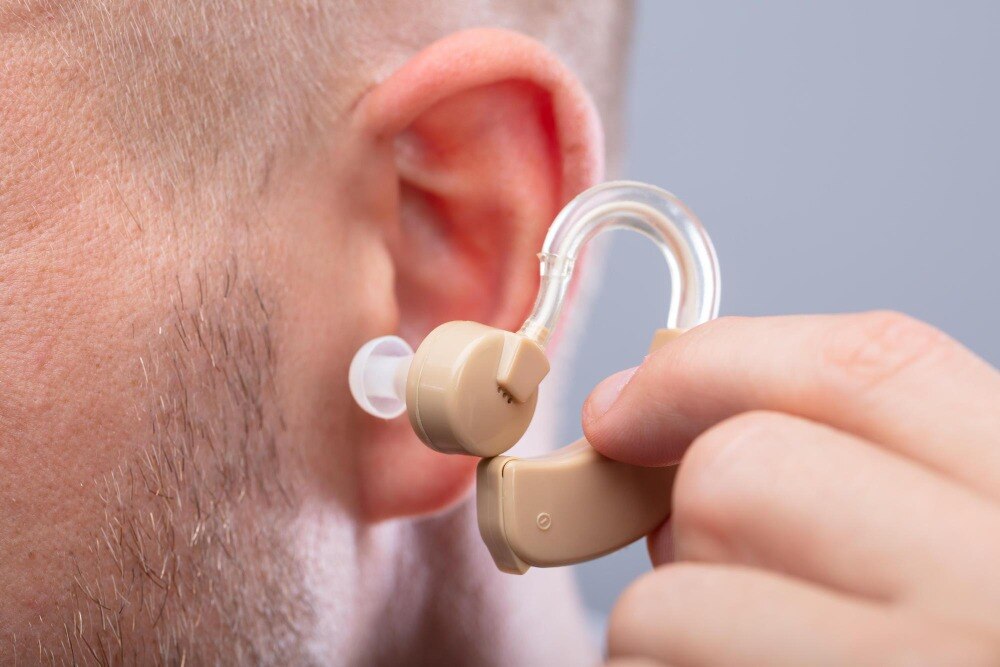
A correctly fitted hearing aid makes speech and important sounds easier to hear, but it does not restore normal hearing. For hearing aids for daily communication, judge success by whether the device helps with the communication tasks that matter most to you, including family conversations, work and telephone calls.
- Face the speaker and keep the speaker’s face visible.
- Reduce competing noise and improve room lighting.
- Confirm important information instead of guessing.
- Use captions or another assistive listening device when speech remains unclear.
Background noise remains the hard test. An aid cannot separate every voice from competing sound, so you may still miss speech in a crowded restaurant, market or family gathering. People who turn away, speak quickly or talk from another room can remain difficult to understand.
Two aids can improve access to sound from both sides, sound localization and speech understanding in some noisy settings, but they cost more and require extra handling. These hearing aid benefits for adults are not a promise of effortless listening.
If severe or profound sensorineural loss produces little useful speech understanding after proper fitting, buying a more advanced aid is not always the next step. Ask for specialist assessment for cochlear implantation or other rehabilitation options.
Use a defined trial to measure real benefit
Decide by comparing specific goals before and after a written 2-to-4-week trial, not by judging how clear speech sounds for five minutes in a clinic. Before taking the aid home, record the situations you want to improve and confirm the trial period, return conditions and follow-up appointments in writing.
- Test family conversation in a quiet room and with background noise.
- Make and answer telephone calls, then note missed words or requests to repeat.
- Attend work, religious or community activities and record whether you follow conversation.
- Check safety sounds, such as traffic, alarms and someone calling from another room.
- Log wearing time, discomfort, whistling, battery or charging problems and situations where you remove the aid.
Ask the provider to verify the fitting against your audiogram with real-ear or probe-microphone measurement. This checks output across frequencies and helps prevent amplification that is too weak or uncomfortably loud. A follow-up adjustment is part of the test, not evidence that the device has failed.
Keep the aid when it improves your stated activities, you can wear it comfortably for regular use, and the total cost matches the benefit. If speech remains unclear after verification and adjustments, investigate the hearing diagnosis and communication alternatives before buying a costlier model.
Adults with severe or profound sensorineural loss who gain little benefit need specialist assessment, which can include cochlear-implant evaluation. That is the practical answer to “are hearing aids worth buying in nashik”.
Frequently asked questions
Are hearing aids worth buying for daily hearing problems in Nashik?
They are worth considering when testing confirms hearing loss that affects conversations, work, safety, or social activities. Treatable causes such as earwax, infection, fluid, or a perforated eardrum need attention first.
How should you match a hearing aid to your daily activities?
Base the choice on where you struggle: one-to-one conversations, family gatherings, phone calls, television, traffic, or workplace noise. Features that help in one setting may add cost without solving another problem.
What costs should you compare before buying hearing aids?
Compare the device price with hearing tests, professional fitting, follow-up adjustments, batteries or charging, repairs, accessories, and replacement timelines. Include the time needed for visits and adaptation.
What can a fitted hearing aid improve, and what can it not improve?
A correctly fitted aid can make speech and everyday sounds more audible, but it cannot restore normal hearing or remove all background noise. Benefit depends on the type and degree of hearing loss, fitting quality, and regular use.
How can you measure hearing aid benefit before committing?
Agree on a defined trial period and track specific tasks, such as understanding family speech, using the telephone, hearing television, and following conversations in noise. Return for adjustments when those tasks remain difficult.
Keywords