The parotid glands are the largest salivary glands in the body and play an essential role in producing saliva that supports digestion and oral health. Although many people are unfamiliar with these glands, problems affecting them can lead to noticeable swelling, discomfort, and difficulty eating or speaking.
Parotid Surgery is recommended only in specific situations after careful evaluation by an experienced ENT and Head and Neck surgeon. Learning about the causes of parotid gland disorders can help patients seek timely treatment and avoid unnecessary complications.
What Is the Parotid Gland?
The parotid glands are located on both sides of the face, just in front of the ears. Their primary function is to produce saliva, which helps with chewing, swallowing, digestion, and maintaining oral hygiene.
Because important facial nerves pass through the parotid gland, any condition affecting this area requires careful diagnosis and expert surgical planning.
Common Conditions Affecting the Parotid Gland
Several medical conditions can involve the parotid gland.
These include:
- Benign salivary gland tumours
- Malignant tumours
- Chronic infections
- Salivary gland stones
- Cysts
- Inflammatory disorders
- Autoimmune conditions affecting saliva production
Not every swelling is cancerous, but every persistent swelling deserves professional evaluation.
Symptoms That Should Not Be Ignored
Patients should consult an ENT specialist if they notice:
- Swelling near the jaw or in front of the ear
- Pain while eating
- Persistent lump on one side of the face
- Difficulty opening the mouth
- Recurrent infections
- Dry mouth associated with gland disorders
- Facial weakness or numbness
Some conditions progress slowly without causing pain, making routine evaluation even more important.
How Is the Diagnosis Made?
Before recommending Parotid Surgery, specialists perform a detailed assessment to understand the nature of the swelling.
Investigations may include:
- Physical examination
- Ultrasound scanning
- MRI or CT imaging
- Fine Needle Aspiration Cytology (FNAC)
- Blood investigations when necessary
These tests help determine whether the condition is inflammatory, infectious, or related to a tumour.
When Is Surgery Recommended?
Parotid surgery may be advised if:
- A tumour is identified
- The swelling continues to enlarge
- Recurrent infections do not respond to medication
- Salivary gland stones cause repeated blockage
- There is concern regarding abnormal tissue growth
The objective is to remove diseased tissue while preserving important structures, particularly the facial nerve whenever possible.
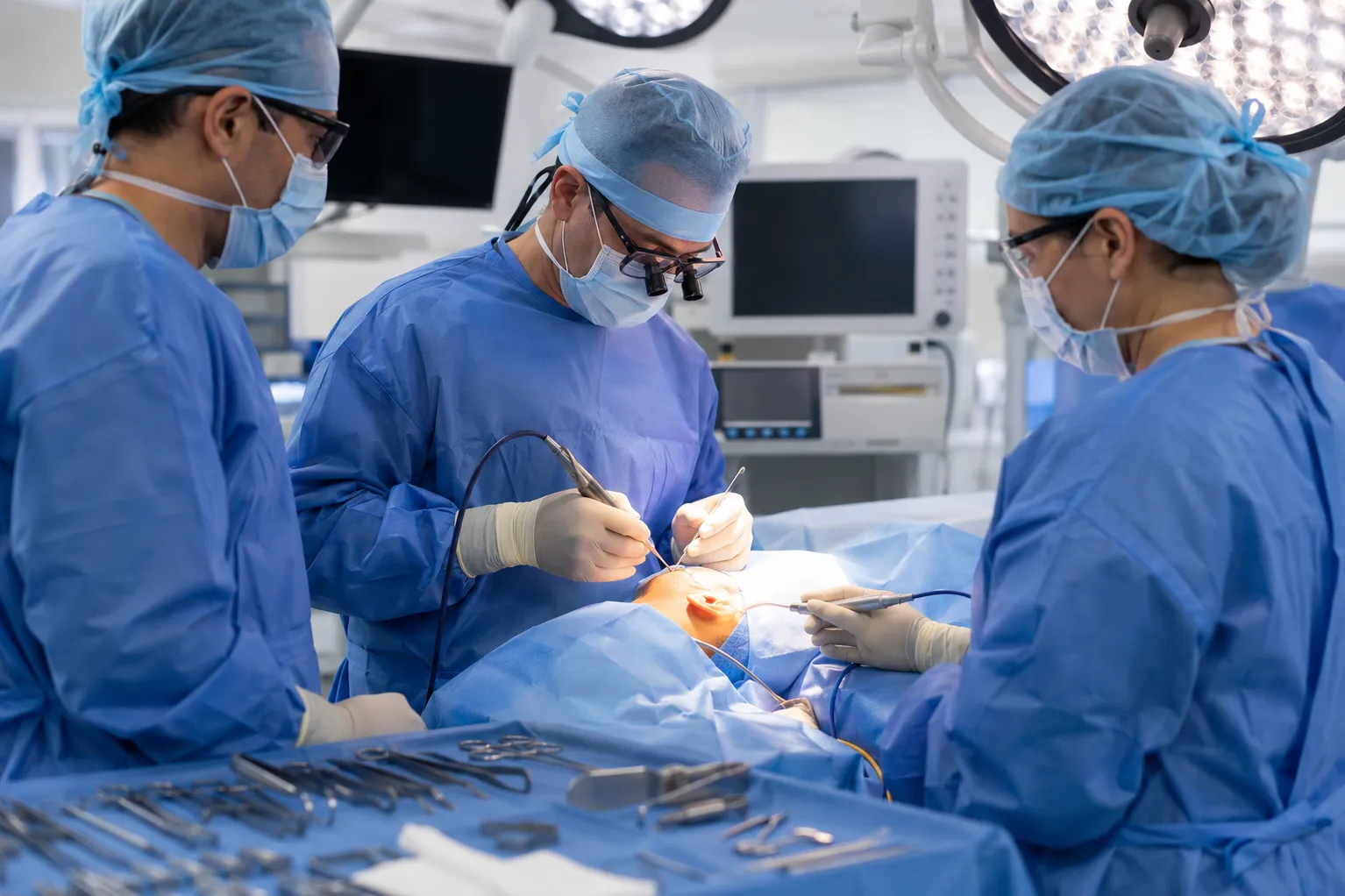
What Happens During Surgery?
The exact surgical approach depends on the size and location of the condition.
Modern techniques focus on:
- Precise removal of affected tissue
- Preservation of facial nerve function
- Minimising complications
- Achieving the best possible cosmetic outcome
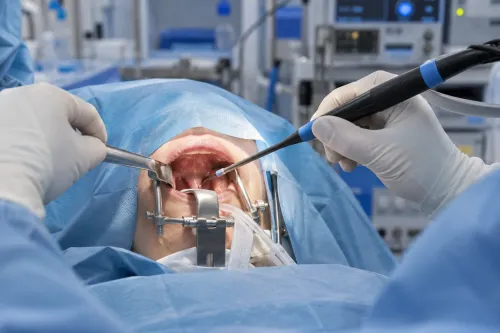
The procedure is performed under general anaesthesia, and the duration varies depending on the complexity of the condition.
Recovery After Parotid Surgery
Most patients recover steadily with appropriate post-operative care.
Recovery recommendations generally include:
- Following wound care instructions
- Taking prescribed medications
- Attending scheduled follow-up visits
- Eating soft foods if advised
- Avoiding strenuous activity during the initial healing period
Patients are monitored carefully to ensure proper healing and facial nerve function.
Why Early Assessment Matters
Persistent swelling near the jaw should never be ignored simply because it is painless. Many benign conditions are easier to treat when diagnosed early, while prompt evaluation also helps detect more serious conditions before they progress.
Residents of Nashik, Maharashtra, experiencing persistent swelling near the ear or jaw should seek specialist assessment rather than waiting for symptoms to worsen. Omkar ENT Hospital provides comprehensive evaluation and advanced surgical care for salivary gland disorders, including Parotid Surgery, using modern techniques that prioritise patient safety, accurate diagnosis, and long-term functional outcomes.
Keywords