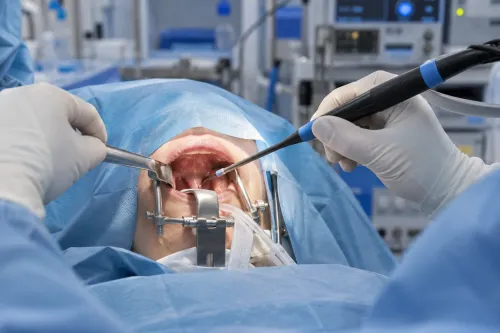
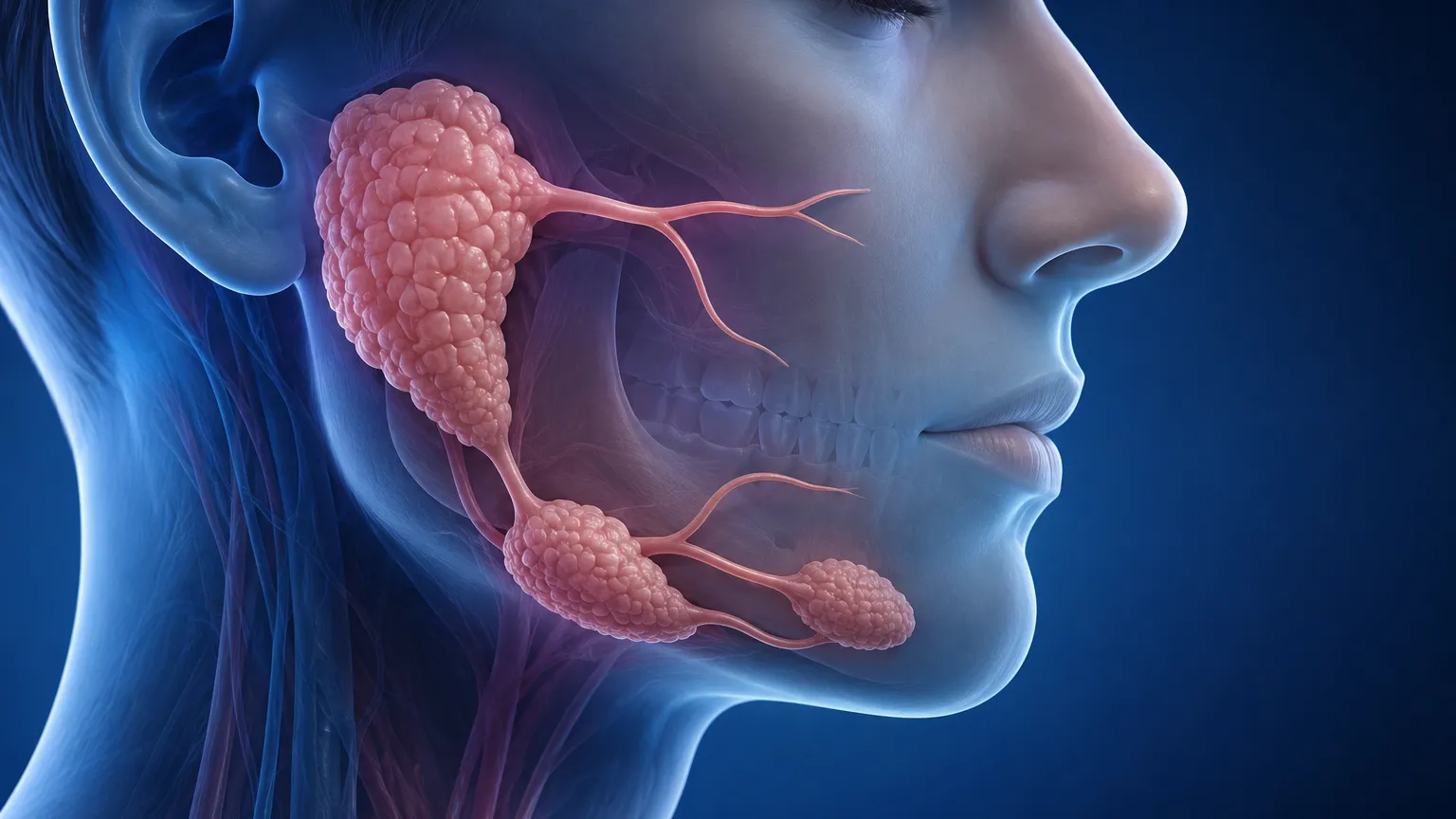
Saliva plays an essential role in maintaining oral health, helping with digestion, protecting teeth, and making swallowing comfortable. The salivary glands work continuously throughout the day, but when one of these glands becomes blocked, infected, or develops a growth, it can lead to pain, swelling, and difficulty performing everyday activities. In some cases, Salivary Glands Surgery becomes the most effective treatment after a thorough evaluation by an ENT and Head and Neck surgeon.
Understanding the conditions that affect the salivary glands can help patients seek timely medical attention and avoid complications.
What Are the Salivary Glands?
The body has three major pairs of salivary glands:
- Parotid glands
- Submandibular glands
- Sublingual glands
Along with hundreds of smaller glands located throughout the mouth and throat, they produce saliva that supports digestion, lubricates food during swallowing, and helps protect against bacteria.
Any condition affecting these glands may interfere with these important functions.
Common Conditions That Affect the Salivary Glands
Several disorders can lead to salivary gland problems. Some are temporary, while others require surgical management.
Common causes include:
- Salivary gland stones
- Recurrent bacterial infections
- Chronic inflammation
- Benign tumours
- Malignant tumours
- Cysts
- Salivary duct blockage
- Autoimmune disorders affecting saliva production
Each condition requires a different treatment approach, making an accurate diagnosis essential.
Symptoms That Should Prompt Medical Evaluation
Many salivary gland disorders begin with mild symptoms that gradually worsen over time.
You should consult an ENT specialist if you experience:
- Swelling below the jaw or near the ear
- Pain while eating or drinking
- Repeated swelling during meals
- Dry mouth
- Difficulty swallowing
- Pus or unusual discharge inside the mouth
- Persistent lump that does not disappear
Ignoring these symptoms may allow infection or blockage to progress further.
How Are Salivary Gland Disorders Diagnosed?
An ENT specialist performs a detailed assessment to determine the exact cause of the problem.
The evaluation may include:
- Clinical examination
- Ultrasound imaging
- CT scan or MRI when required
- Fine Needle Aspiration Cytology (FNAC)
- Blood investigations
- Salivary duct assessment
These investigations help identify whether the condition can be managed medically or requires surgery.
When Is Salivary Glands Surgery Recommended?
Surgery is usually considered when conservative treatment no longer provides lasting relief or when there is concern about abnormal tissue.
Your doctor may recommend Salivary Glands Surgery if:
- Large salivary stones repeatedly block saliva flow
- Chronic infections continue despite medication
- A tumour is identified
- A cyst continues to enlarge
- Persistent swelling affects daily comfort
- There is suspicion of cancerous changes
The treatment plan depends on the type, location, and severity of the condition.
Modern Surgical Approaches
Advances in ENT surgery have significantly improved patient outcomes.
Modern procedures aim to:
- Preserve healthy gland tissue whenever possible
- Protect surrounding nerves and structures
- Reduce post-operative discomfort
- Minimise visible scarring
- Improve long-term gland function where appropriate
The exact procedure varies depending on which gland is affected and the underlying diagnosis.
Recovery After Surgery
Recovery generally depends on the complexity of the surgery and the patient's overall health.
Doctors commonly advise patients to:
- Maintain good oral hygiene
- Stay well hydrated
- Follow dietary recommendations
- Take prescribed medications
- Attend follow-up appointments
- Watch for signs of infection during healing
Most patients gradually return to normal activities after adequate recovery under medical guidance.
Why Early Diagnosis Makes a Difference
Many salivary gland conditions are easier to treat when detected early. Delaying evaluation can lead to repeated infections, increased discomfort, or more extensive treatment later.
Early assessment also helps distinguish harmless conditions from those requiring prompt surgical management, providing reassurance and appropriate care.
For patients in Nashik, Maharashtra, persistent swelling, pain during meals, or recurring salivary gland infections should never be ignored. Omkar ENT Hospital provides comprehensive evaluation and advanced Salivary Glands Surgery when required, using modern diagnostic techniques and patient-centred treatment plans to restore comfort, preserve gland function whenever possible, and support long-term oral health.
Keywords