Many people assume that hearing problems develop only with age. In reality, hearing-related issues can affect individuals of all ages, from young children to older adults. A temporary hearing change may result from an ear infection or wax buildup, while persistent hearing loss could indicate a more complex condition that requires specialist care.
Understanding the early signs of Hearing and Related Issues helps prevent unnecessary delays in treatment and improves the chances of preserving hearing for the future.
Hearing Loss Is More Common Than You Think
Hearing loss may develop gradually or occur suddenly. Because gradual changes often happen over months or years, many people adapt without realizing that their hearing has significantly declined.
Common warning signs include:
- Frequently asking people to repeat themselves
- Difficulty hearing conversations in crowded places
- Increasing television or mobile phone volume
- Trouble understanding children's voices
- Ringing or buzzing sounds in the ears
- Feeling that others are mumbling during conversations
These symptoms should not be considered a normal part of ageing without proper evaluation.
Common Causes of Hearing Problems
Several medical conditions can affect hearing.
These include:
- Earwax blockage
- Middle ear infections
- Fluid behind the eardrum
- Age-related hearing loss
- Noise-induced hearing damage
- Inner ear disorders
- Sudden sensorineural hearing loss
- Certain medications
- Head injuries
Identifying the exact cause is the first step toward selecting the most effective treatment.
Hearing Problems Are Not Limited to Hearing Loss
Many ENT conditions affect hearing indirectly. Patients may also experience:
- Persistent ringing in the ears (tinnitus)
- Dizziness or vertigo
- Ear fullness
- Ear pain
- Recurrent ear discharge
- Balance problems
- Sensitivity to loud sounds
These symptoms may indicate disorders involving the middle ear, inner ear, or auditory nerve and should be evaluated promptly.
Hearing Issues in Children
Children may not always be able to explain that they cannot hear properly. Parents should look for signs such as:
- Delayed speech development
- Lack of response to sounds
- Frequent ear infections
- Difficulty following instructions
- Turning the television volume up unusually high
- Poor academic performance linked to listening difficulties
Early diagnosis plays an important role in speech, language, and educational development.
How Hearing Problems Are Diagnosed
An ENT specialist uses several methods to identify the underlying cause.
The evaluation may include:
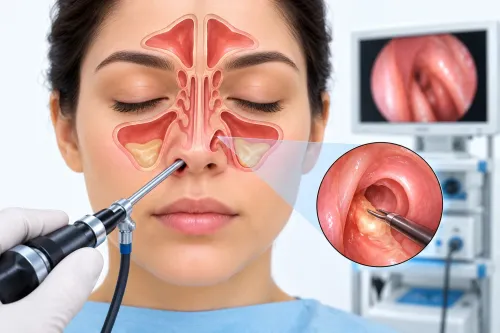
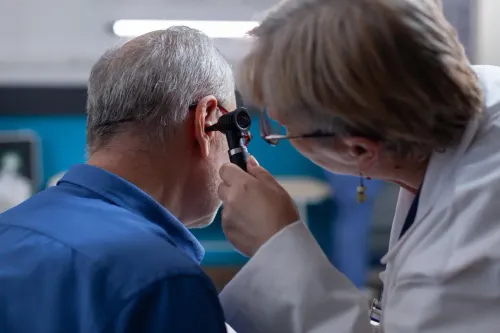
- Detailed ear examination
- Hearing assessment (audiometry)
- Tympanometry
- Tuning fork tests
- Microscopic ear evaluation
- Imaging studies when required
Each investigation provides valuable information that helps create an accurate diagnosis instead of relying on symptoms alone.
Available Treatment Options
Treatment depends entirely on the cause of the hearing problem.
Possible options include:
- Medication for infections
- Earwax removal
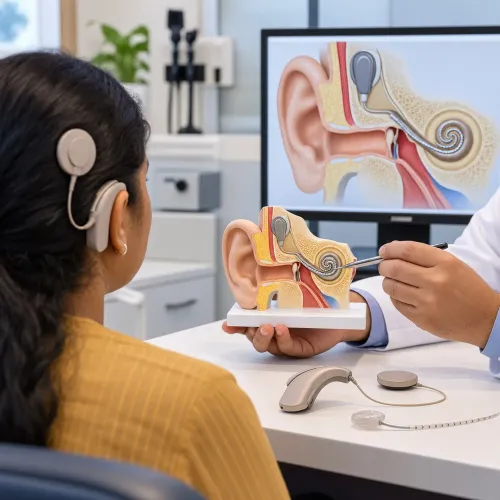
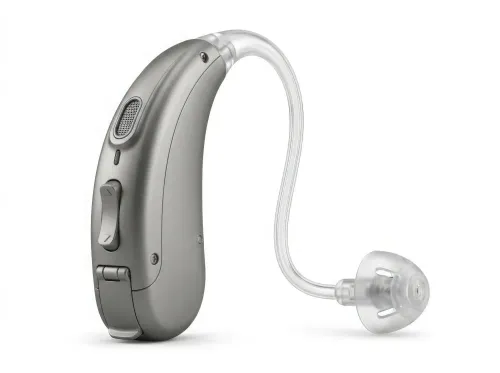
- Hearing aid devices
- Surgical repair of the eardrum
- Treatment for middle ear disease
- Balance disorder management
- Hearing rehabilitation
The right treatment plan focuses on preserving hearing while improving overall ear health.
Protecting Your Hearing
Simple preventive measures can significantly reduce the risk of hearing damage.
These include:
- Avoid prolonged exposure to loud noise
- Use hearing protection in noisy environments
- Never insert objects into the ear canal
- Seek treatment for recurring ear infections
- Schedule hearing evaluations if symptoms develop
- Manage chronic health conditions such as diabetes and hypertension
Taking action early often prevents more serious complications later.
For individuals in Nashik, Maharashtra, recognising the early signs of Hearing and Related Issues can make a significant difference in preserving hearing and maintaining daily communication. Omkar ENT Hospital offers comprehensive hearing evaluations, modern diagnostic facilities, and personalised treatment plans that address the root cause of hearing disorders rather than simply managing symptoms, helping patients of all ages enjoy better hearing and an improved quality of life.
Keywords