
ENT Doctor in Nashik
Continuous noises in the ear, often described as ringing, buzzing, hissing, or roaring, are known as tinnitus. This symptom is perceived within the ear or head and doesn't have an external source. While it's a common symptom, it's important to understand its potential causes and when to seek medical attention.
What is Tinnitus?
Tinnitus is the perception of sound when no external sound is present.
It's a symptom, not a disease in itself, and can be caused by various factors.
It can range from a mild annoyance to a debilitating condition affecting daily life.
Causes of Tinnitus:
Hearing loss: A very common cause, as the brain may try to compensate for the hearing loss by generating sounds.
Age-related hearing loss: Tinnitus often accompanies age-related hearing decline.
Exposure to loud noises: Loud noises can damage the inner ear and trigger tinnitus.
Ear infections: Infections can cause temporary or permanent hearing loss and tinnitus.
Medications: Some medications, such as certain antibiotics and NSAIDs, can cause tinnitus as a side effect.
Underlying medical conditions: Conditions like diabetes, thyroid disorders, or Meniere's disease can also be linked to tinnitus.
Other factors: Jaw misalignment, head or neck injuries, or even high blood pressure can also contribute to tinnitus.
When to Seek Medical
Attention:
If the tinnitus is new and persists for more than a week.
If you experience sudden hearing loss along with tinnitus.
If the tinnitus is severe, bothersome, or interfering with your daily life.
If you have pulsatile tinnitus (a rhythmic, pulsing noise) or tinnitus in only one ear.
Treatment and Management:
Identify and address the underlying cause:
If possible, treating the underlying condition can help reduce or eliminate tinnitus.
Sound therapy:
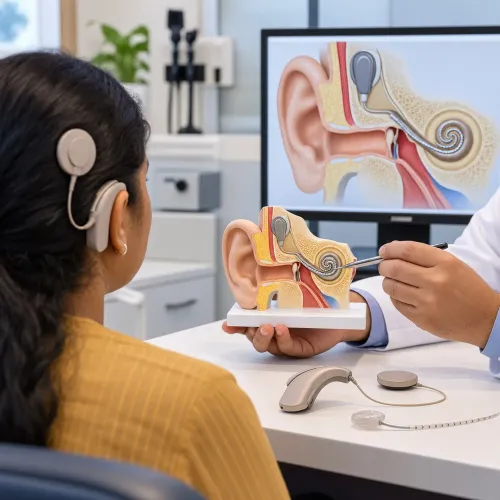
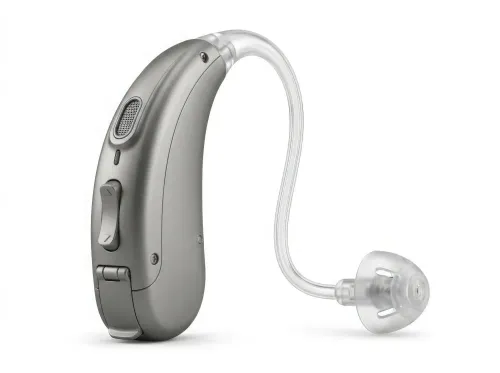
This can involve using white noise, masking devices, or hearing aids to mask the tinnitus.
Cognitive behavioral therapy (CBT):
CBT can help manage the emotional and psychological impact of tinnitus.
Medication:
In some cases, medication may be used to manage tinnitus symptoms, especially if it's related to anxiety or depression.
#omkarenthospital #enthospital #entclinic #nashikenthospital #drmukeshmore #entspecialist #entnashik #nashikentdoctor #nashikenthospital #drmukeshmoreent
Continuous noises in the ear, often described as ringing, buzzing, hissing, or roaring, are known as tinnitus. This symptom is perceived within the ear or head and doesn't have an external source. While it's a common symptom, it's important to understand its potential causes and when to seek medical attention.
What is Tinnitus?
Tinnitus is the perception of sound when no external sound is present.
It's a symptom, not a disease in itself, and can be caused by various factors.
It can range from a mild annoyance to a debilitating condition affecting daily life.
Causes of Tinnitus:
Hearing loss: A very common cause, as the brain may try to compensate for the hearing loss by generating sounds.
Age-related hearing loss: Tinnitus often accompanies age-related hearing decline.
Exposure to loud noises: Loud noises can damage the inner ear and trigger tinnitus.
Ear infections: Infections can cause temporary or permanent hearing loss and tinnitus.
Medications: Some medications, such as certain antibiotics and NSAIDs, can cause tinnitus as a side effect.
Underlying medical conditions: Conditions like diabetes, thyroid disorders, or Meniere's disease can also be linked to tinnitus.
Other factors: Jaw misalignment, head or neck injuries, or even high blood pressure can also contribute to tinnitus.
When to Seek Medical
Attention:
If the tinnitus is new and persists for more than a week.
If you experience sudden hearing loss along with tinnitus.
If the tinnitus is severe, bothersome, or interfering with your daily life.
If you have pulsatile tinnitus (a rhythmic, pulsing noise) or tinnitus in only one ear.
Treatment and Management:
Identify and address the underlying cause:
If possible, treating the underlying condition can help reduce or eliminate tinnitus.
Sound therapy:
This can involve using white noise, masking devices, or hearing aids to mask the tinnitus.
Cognitive behavioral therapy (CBT):
CBT can help manage the emotional and psychological impact of tinnitus.
Medication:
In some cases, medication may be used to manage tinnitus symptoms, especially if it's related to anxiety or depression.
#omkarenthospital #enthospital #entclinic #nashikenthospital #drmukeshmore #entspecialist #entnashik #nashikentdoctor #nashikenthospital #drmukeshmoreent
Keywords