Hearing loss often develops gradually, making it difficult to recognise at first. Many people notice that conversations become harder to follow, television volume keeps increasing, or phone calls require extra effort. Because these changes happen slowly, they are often mistaken as a normal part of ageing.
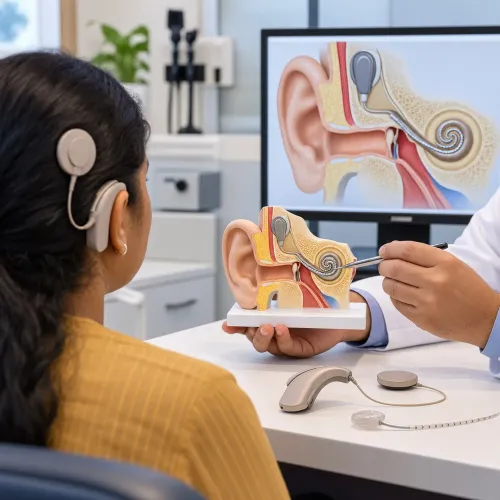
Modern Hearing Aid Devices have transformed the way people manage hearing loss. Today's technology offers discreet, comfortable, and highly effective solutions that help individuals reconnect with conversations, family, and everyday life.
How Do You Know If You Need a Hearing Aid?
Hearing loss affects people differently, but certain signs should never be ignored.
You may benefit from a hearing assessment if you:
- Frequently ask others to repeat themselves
- Struggle to hear conversations in noisy places
- Increase television or mobile phone volume regularly
- Have difficulty understanding children's voices
- Experience ringing in the ears (tinnitus)
- Avoid social gatherings because conversations are difficult
The earlier hearing loss is identified, the easier it is to preserve communication skills and quality of life.
What Causes Hearing Loss?
Hearing loss can occur for several reasons, including:
- Age-related hearing changes
- Repeated exposure to loud noise
- Ear infections
- Injury to the ear
- Genetic factors
- Certain medical conditions
- Side effects of some medications
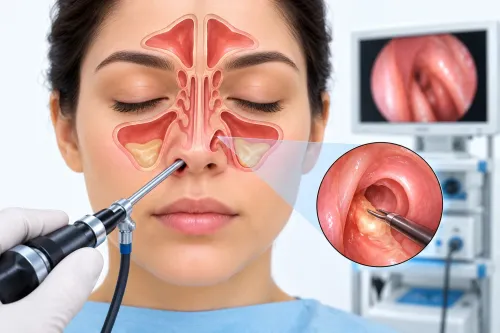
Understanding the cause helps determine the most suitable treatment. In some cases, hearing loss can be treated medically without requiring a hearing aid.
Why a Hearing Test Comes First
A hearing aid should never be selected based solely on advertisements or recommendations from friends.
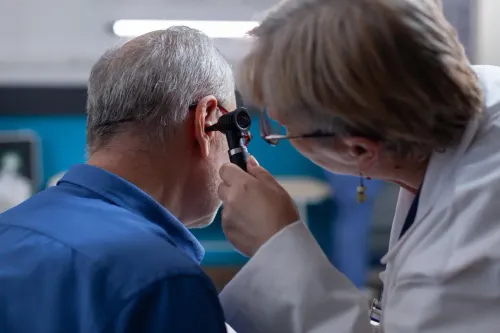
A complete hearing evaluation helps determine:
- Type of hearing loss
- Degree of hearing loss
- Speech understanding ability
- Whether medical treatment is required first
- The most suitable hearing aid technology
An ENT specialist often works alongside an audiologist to provide comprehensive hearing care.
Types of Hearing Aid Devices
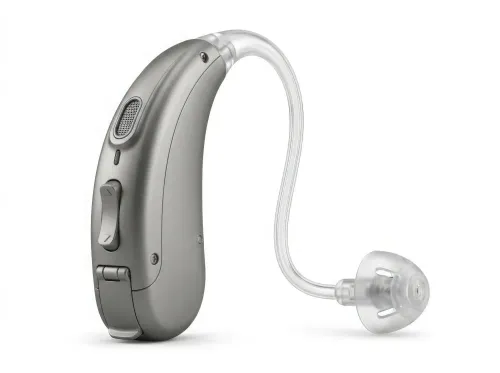
Modern hearing aids are available in several designs to suit different levels of hearing loss and lifestyle needs.
Common options include:
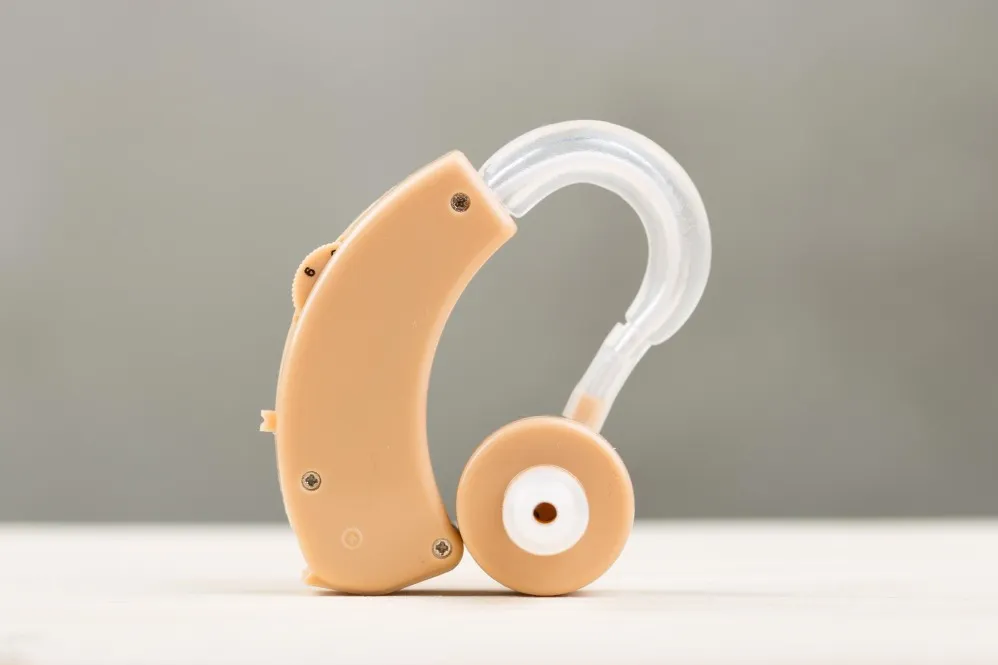
Behind-the-Ear (BTE)
These devices sit behind the ear and are suitable for mild to profound hearing loss. They are durable and easy to maintain.
Receiver-in-Canal (RIC)
RIC hearing aids are smaller, lightweight, and popular for their natural sound quality.
In-the-Ear (ITE)
These custom-made devices fit inside the outer ear and are suitable for selected patients.
Completely-in-Canal (CIC)
Designed to fit deep inside the ear canal, these are less visible but may not be appropriate for every degree of hearing loss.
The best choice depends on hearing needs, ear anatomy, manual dexterity, and lifestyle preferences.
Features Worth Considering
Modern hearing aids offer far more than simple sound amplification.
Depending on the model, features may include:
- Noise reduction technology
- Directional microphones
- Bluetooth connectivity
- Rechargeable batteries
- Feedback cancellation
- Automatic environment adjustment
- Smartphone compatibility
Choosing features should be based on everyday listening needs rather than the latest technology alone.
Common Mistakes to Avoid
Many people delay treatment because they believe hearing loss is not serious. Others purchase hearing devices without undergoing professional assessment.
Avoid these common mistakes:
- Ignoring early hearing changes
- Buying devices without a hearing test
- Choosing based only on price
- Skipping follow-up adjustments
- Expecting instant adaptation without practice
Proper fitting and regular adjustments play a major role in successful hearing rehabilitation.
Living Well with Better Hearing
Using a hearing aid is not simply about hearing louder sounds. It is about understanding speech more clearly, participating confidently in conversations, and maintaining social connections.
Regular hearing evaluations, device maintenance, and follow-up care help ensure long-term success.
For residents of Nashik, Maharashtra, professional guidance can make all the difference when selecting a suitable Hearing Aid Device. Omkar ENT Hospital provides comprehensive hearing assessments and personalised recommendations based on each patient's hearing profile, lifestyle, and communication needs, helping individuals achieve clearer hearing and a better quality of life.
Keywords