

Constant nasal blockage, repeated sinus infections, headaches, and difficulty breathing can make even simple daily activities feel exhausting. While medications often provide temporary relief, they may not resolve the underlying problem if nasal polyps or chronic sinus disease are present. In such cases, Sinus and Polyps Surgery may offer a long-term solution by restoring proper airflow and improving sinus drainage.
Understanding when surgery becomes necessary helps patients make informed decisions instead of living with recurring discomfort.
Why Do Chronic Sinus Problems Keep Coming Back?
The sinuses are air-filled spaces around the nose that normally produce mucus to keep the nasal passages moist and trap dust, allergens, and germs. When these passages become blocked due to inflammation, infection, or growths such as nasal polyps, mucus cannot drain properly.
This blockage creates an environment where bacteria and inflammation continue to build, leading to repeated sinus infections and ongoing symptoms.
Common causes include:
- Chronic allergies
- Repeated sinus infections
- Nasal polyps
- Deviated nasal septum
- Environmental irritants
- Certain immune-related conditions
Identifying the root cause is essential because recurring sinus infections often have more than one contributing factor.
What Are Nasal Polyps?
Nasal polyps are soft, painless growths that develop inside the nasal passages or sinuses because of long-term inflammation. They are not cancerous, but larger polyps can significantly affect breathing and quality of life.
People with nasal polyps often experience:
- Constant nasal blockage
- Difficulty breathing through the nose
- Reduced or complete loss of smell
- Frequent sinus infections
- Persistent post-nasal drip
- Facial heaviness or pressure
- Snoring or disturbed sleep
Since these symptoms overlap with allergies and common colds, many people delay seeking specialist care.
When Is Surgery Recommended?
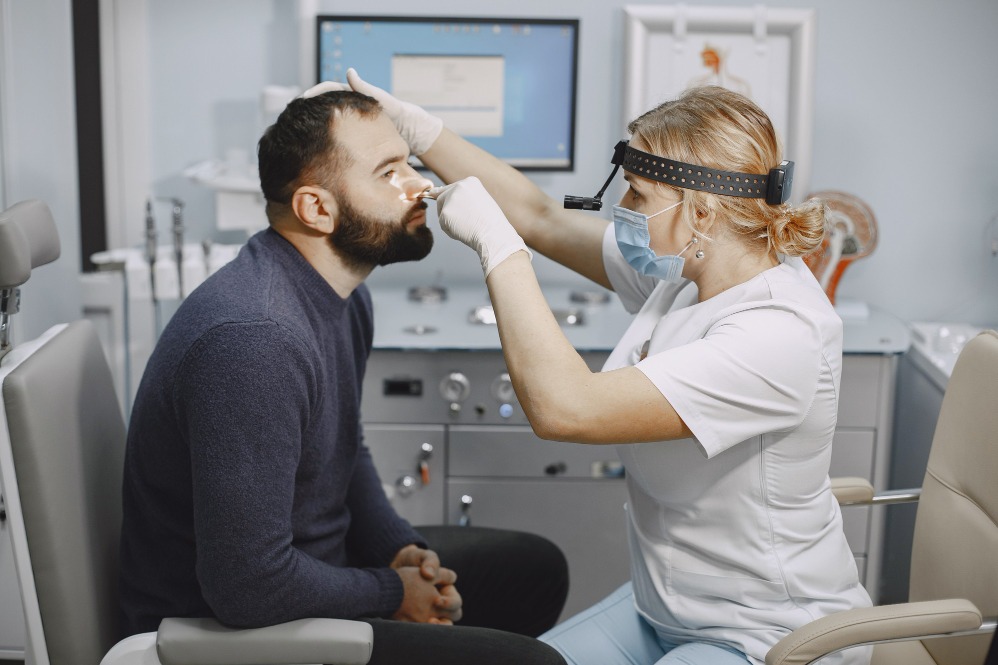
Not every patient with sinus disease requires surgery. ENT specialists generally recommend surgery when symptoms continue despite appropriate medical treatment or when structural problems prevent normal sinus drainage.
Surgery may be considered if you have:
- Chronic sinusitis lasting more than 12 weeks
- Multiple sinus infections each year
- Large nasal polyps
- Persistent facial pain or pressure
- Difficulty breathing despite medications
- Reduced sense of smell affecting daily life
The decision is always based on clinical examination, imaging studies, and individual health needs.
How Modern Sinus Surgery Works
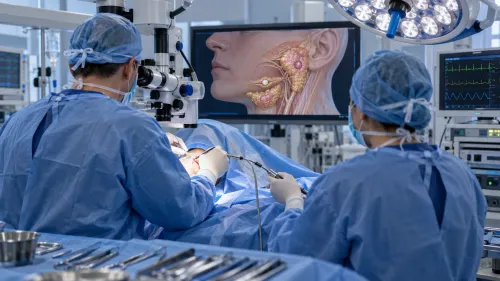
Today's sinus procedures are far less invasive than many people expect. Most Sinus and Polyps Surgery procedures are performed using endoscopic techniques.
An endoscope is a thin instrument equipped with a camera that allows the surgeon to view the nasal passages without external incisions.
During surgery, the specialist may:
- Remove nasal polyps
- Clear blocked sinus openings
- Improve natural drainage pathways
- Preserve healthy tissue whenever possible
- Restore normal airflow through the nose
Because the procedure is highly precise, recovery is generally smoother than traditional surgical approaches.
Benefits Beyond Better Breathing
Patients often notice improvements that go beyond relieving nasal congestion.
Potential benefits include:
- Fewer sinus infections
- Better sleep quality
- Improved sense of smell and taste
- Reduced dependence on antibiotics
- Less facial pressure
- Easier breathing during exercise
- Improved concentration and daily comfort
Many people also find that managing allergies becomes easier once chronic blockage has been addressed.
Recovery and Aftercare
Recovery varies depending on the extent of surgery and the patient's overall health.
Doctors commonly recommend:
- Regular saline nasal rinses
- Avoiding heavy physical activity initially
- Taking prescribed medications
- Attending follow-up appointments
- Avoiding dust and smoke during healing
Following these instructions supports healthy tissue recovery and helps reduce the chance of recurrence.
Can Sinus Problems Return?
While surgery significantly improves sinus drainage, it does not eliminate conditions such as allergies or chronic inflammation. Long-term management often includes medications, allergy control, nasal sprays, and periodic ENT reviews.
A comprehensive treatment plan provides the best chance of maintaining healthy sinuses for years to come.
For individuals in Nashik, Maharashtra, persistent sinus problems should not become a permanent part of life. Omkar ENT Hospital evaluates patients using advanced diagnostic techniques to determine whether medical management or Sinus and Polyps Surgery is the most appropriate approach. Early treatment can improve breathing, reduce recurring infections, and help patients return to everyday activities with greater comfort and confidence.