Surgery and radiation are not interchangeable choices for every head and neck cancer. The right plan depends on the tumour’s exact site, biopsy findings, TNM stage, lymph-node status, HPV or p16 result when relevant, and the functional cost of each treatment.
Key takeaways
- Use tumour site, TNM stage and biopsy findings to guide treatment choice.
- Small, removable tumours often begin with surgery.
- Radiation or chemoradiation can preserve speech, swallowing or breathing.
- Ask whether surgery, radiation or both offer the best cancer control.
What information decides between surgery and radiation?
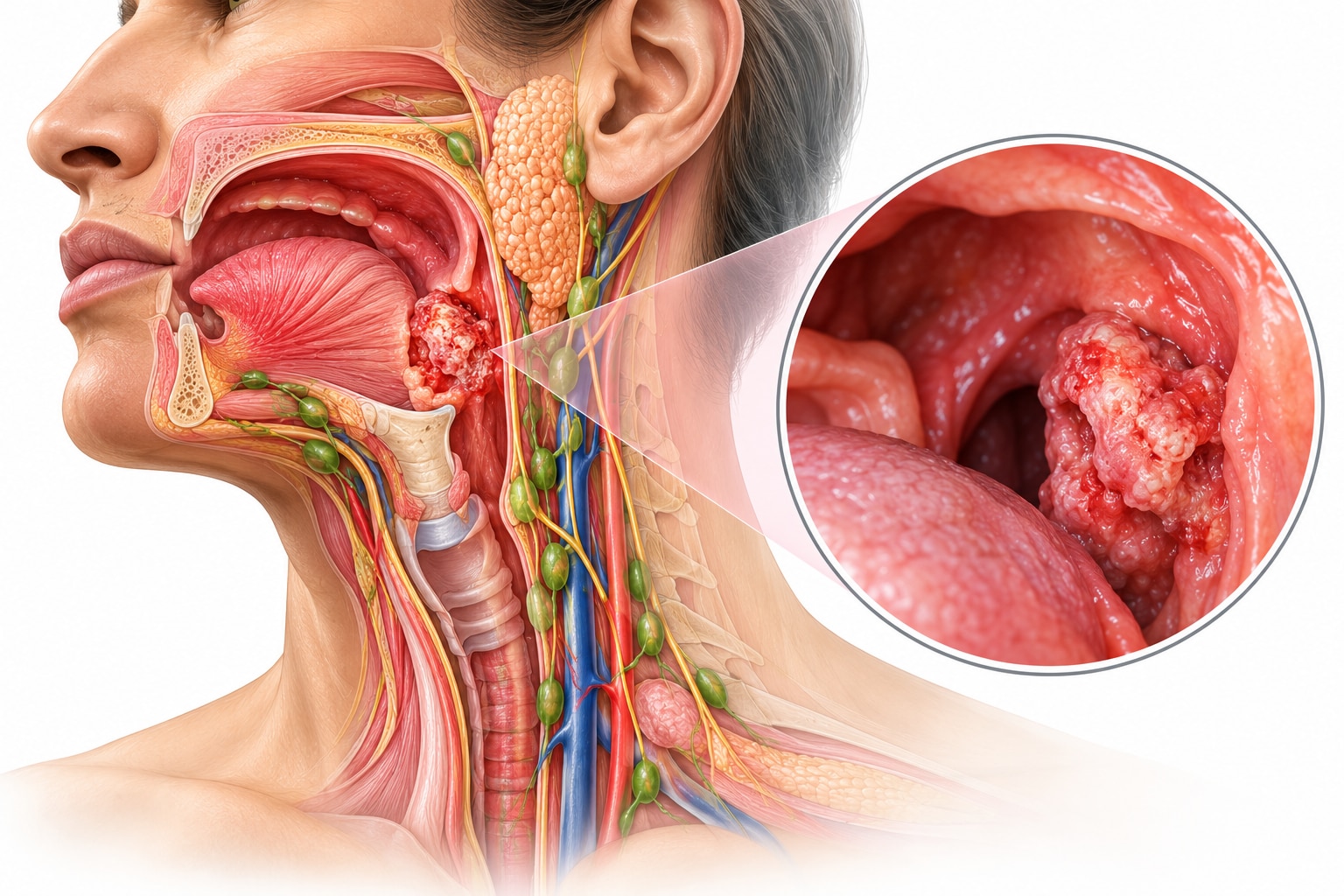
The starting treatment depends on the exact tumour site, TNM stage, biopsy findings and whether treatment can control the cancer while preserving speech, swallowing or breathing. A small, removable tumour often starts with surgery; an unresectable tumour, or one where organ preservation matters, may start with radiation or chemoradiation.
| Site | Finding that shifts the starting plan |
|---|---|
| Oral cavity | A resectable primary tumour often favours surgery, with neck assessment. |
| Oropharynx | HPV or p16 status, stage and tumour location influence radiation-based treatment or surgery. |
| Larynx or hypopharynx | Radiation or chemoradiation may preserve the larynx; extensive disease may require surgery. |
| Nasopharynx | Radiation, often with systemic treatment, commonly forms the main local treatment. |
| Salivary glands or thyroid | Surgery is frequently considered when the tumour is removable. |
| Nasal, sinus or skull base | Imaging, resectability and proximity to critical structures require multidisciplinary planning. |
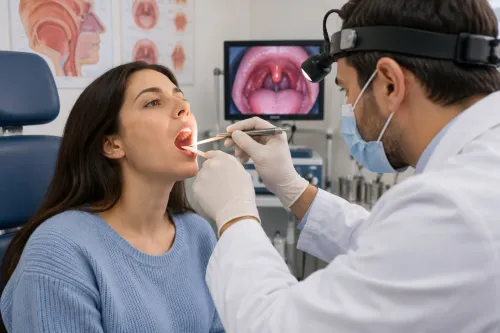
Before deciding, ask for a biopsy reviewed by an experienced pathology service, contrast imaging suited to the site, endoscopy when indicated, and a written TNM stage. The report should state HPV or p16 status when relevant and identify features such as involved margins, extranodal extension or nerve invasion.
For a head and neck cancer treatment comparison in nashik, compare the complete pathway—not quoted package prices alone:
- Surgery, reconstruction and pathology
- Possible postoperative radiation or chemotherapy
- Dental, nutrition, speech and swallowing support
- Travel for daily radiation and management of complications
When is surgery the stronger first option?
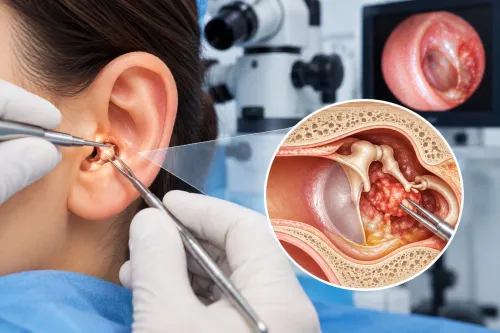
Surgery is often the stronger first option when the tumour is removable with acceptable loss of function, especially in a resectable oral-cavity cancer. Removing the primary tumour and examining the neck lymph nodes provides two decisive facts: whether the margins are clear and whether cancer has spread beyond the visible lesion.
That pathology can show whether observation is enough or whether postoperative radiation, with or without chemotherapy, is needed.
| Situation | Why surgery may clarify the path | What may follow |
|---|---|---|
| Resectable oral-cavity tumour | Removes the visible cancer and permits margin and lymph-node assessment | Observation, radiation, or chemoradiation based on pathology |
| Accessible salivary-gland tumour | Shows the tumour type, nerve involvement and margin status directly | Additional radiation if high-risk features are found |
| Thyroid cancer needing removal | Provides tissue diagnosis and identifies local invasion or nodal spread | Further surgery, radioactive iodine, or external-beam radiation when indicated |
| Tumour with uncertain extent after scans | Direct examination and pathology can settle invasion and spread | A treatment plan based on measured risk rather than imaging alone |
Choose surgery only when the expected functional result is acceptable and reconstruction, speech, swallowing and nutrition support are available. A large operation can impair eating, speaking or shoulder movement, while radiation can create different long-term effects; neither choice is automatically easier.
For cancer surgery versus radiation in nashik, ask whether an ENT head-and-neck oncologic surgeon will perform the operation and neck dissection, how pathology will report margins and nodes, and whether a tumour board will review the results. Surgery is not a failure of radiation planning: it can make the need for later radiation precise.
When does radiation or chemoradiation preserve an organ?
Definitive radiation is preferred when it can control the tumour while keeping the larynx, voice, swallowing function or another important structure intact. This approach is established for selected cancers of the oropharynx, larynx and hypopharynx, particularly when surgery would remove or severely damage a functioning organ.
Radiation alone often suits smaller, well-defined tumours. Concurrent chemoradiation, usually with cisplatin, is used for selected locally advanced cancers when the patient can tolerate chemotherapy and stronger treatment is needed for control. It is not an easier option: severe mouth and throat inflammation, painful swallowing, dehydration, feeding-tube dependence and long-term swallowing problems can occur.
The decision depends on the tumour and the person’s ability to complete treatment:
- Choose organ-preserving treatment when the larynx works reasonably well, the tumour is suitable for radiation, and daily treatment is practical.
- Discuss surgery when the tumour has destroyed critical cartilage, caused a poorly functioning larynx, or cannot be controlled reliably without removal.
- Use radiation after surgery when pathology shows a high-risk feature; positive margins or extranodal extension often call for postoperative chemoradiation rather than radiation alone if chemotherapy is safe.
- Compare the complete pathway behind “head and neck cancer surgery or radiation in nashik”: treatment visits, feeding and dental care, side-effect management, travel, and rehabilitation—not only the initial procedure.
Organ preservation means keeping anatomy, not guaranteeing normal speech or swallowing. A head-and-neck tumour board should compare both outcomes before you consent.
Why do many patients need both surgery and radiation?
Many patients need both because surgery reveals risks that scans cannot show. A positive surgical margin means cancer cells reach the cut edge, while extranodal extension means a lymph-node tumour has broken through the node’s capsule.
For many locally advanced head-and-neck squamous-cell cancers, either finding supports postoperative chemoradiation rather than radiation alone, if chemotherapy is safe.
Pathology can also show multiple involved lymph nodes, perineural invasion or lymphovascular invasion. These findings can shift the plan toward postoperative radiation, even when the visible tumour was removed. The final recommendation must balance tumour control against speech, swallowing, chewing, breathing and shoulder function.
Use this checklist before consenting:
- Ask which pathology features trigger radiation or chemoradiation, and whether the margins were measured in millimetres.
- Ask what surgery has changed or could still change: tongue movement, voice, swallowing, neck appearance, shoulder movement or the need for reconstruction.
- Ask what radiation could affect later, including dry mouth, dental decay, swallowing difficulty, fibrosis, low thyroid function and jaw damage.
- Ask for a dental review, nutrition plan, speech-and-swallow assessment and follow-up schedule before treatment starts.
- Ask how CT-based planning and IMRT will protect the salivary glands, spinal cord, brain and other organs.
A useful head and neck cancer treatment comparison in Nashik compares this entire pathway, not quoted package prices. Cancer surgery versus radiation in Nashik should include pathology, reconstruction, daily travel, rehabilitation and long-term care. Functional priorities can justify choosing a different treatment, seeking a second opinion or adding rehabilitation early.
How should you compare a head-and-neck treatment team in Nashik?
Compare the team by named roles, tumour-board review, treatment logistics and rehabilitation—not by a package price or the label “head neck cancer specialist in Nashik.”
Ask these questions before consenting:
- Does the ENT surgeon routinely perform head-and-neck oncology operations and neck dissection? Who will deliver radiation and chemotherapy?
- Was my biopsy, contrast imaging, endoscopy and TNM stage reviewed by a tumour board including a surgeon, radiation oncologist, medical oncologist, radiologist and pathologist?
- If surgery is chosen, could reconstruction, a feeding tube, neck dissection or postoperative radiation follow? Who explains the final pathology?
- If radiation is chosen, will planning use CT simulation, IMRT and image guidance? What dose, fractionation and normal-organ limits apply to the salivary glands, spinal cord, brain, thyroid and swallowing muscles?
- How many visits will treatment require, who handles fever, bleeding, dehydration or breathing difficulty, and where will you go after hours?
- Who will assess teeth, nutrition, speech, swallowing, shoulder movement, hearing and thyroid function before and after treatment?
| Surgery | Ask about tumour removal, neck dissection, reconstruction and pathology | Clarifies the next step and functional costs |
|---|---|---|
| Radiation alone | Ask about organ preservation, daily travel and swallowing or salivary effects | Used when radiation can control the tumour without chemotherapy |
| Chemoradiation | Ask about chemotherapy fitness, monitoring and toxicity support | Adds systemic treatment but can increase dehydration, nausea and swallowing problems |
A meaningful head and neck cancer surgery or radiation in Nashik comparison includes the complete pathway. Omkar ENT Hospital - 08042755812 can be one provider you ask to document these roles, records and follow-up arrangements in writing.
Related services
thyroid and parotid glands operations ₹100000 What is Head & Neck Cancer Surgery? Head and neck cancer surgery is a treatment approach for cancers that originate in the head and neck region,... View service → |
Nose block and stichless endoscopy sinus operations ₹75000 What is Sinus Surgery? Sinus surgery, also known as endoscopic sinus surgery, is a medical procedure performed to treat chronic sinusitis or other... View service → |
Frequently asked questions
What information decides between head and neck cancer surgery and radiation?
The decision depends on the exact tumour site, TNM stage, biopsy findings, resectability and whether treatment can preserve speech, swallowing or breathing.
When is surgery the stronger first option?
Surgery is often the stronger first option for a small, removable tumour that can be removed while maintaining important head-and-neck functions.
When does radiation or chemoradiation help preserve an organ?
Radiation or chemoradiation may be the first treatment when the tumour is unresectable or when preserving speech, swallowing or breathing is a major goal.
Why do many patients need both surgery and radiation?
Surgery removes the visible tumour, while postoperative radiation treats areas with features that increase recurrence risk. The final pathology report helps determine whether both are needed.
How should you compare a head-and-neck treatment team in Nashik?
Ask how the team will use your tumour site, TNM stage, biopsy, imaging and organ-preservation goals to compare surgery, radiation and combined treatment.