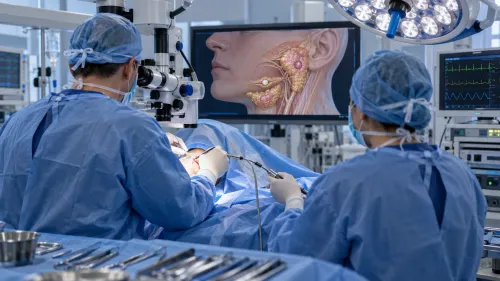


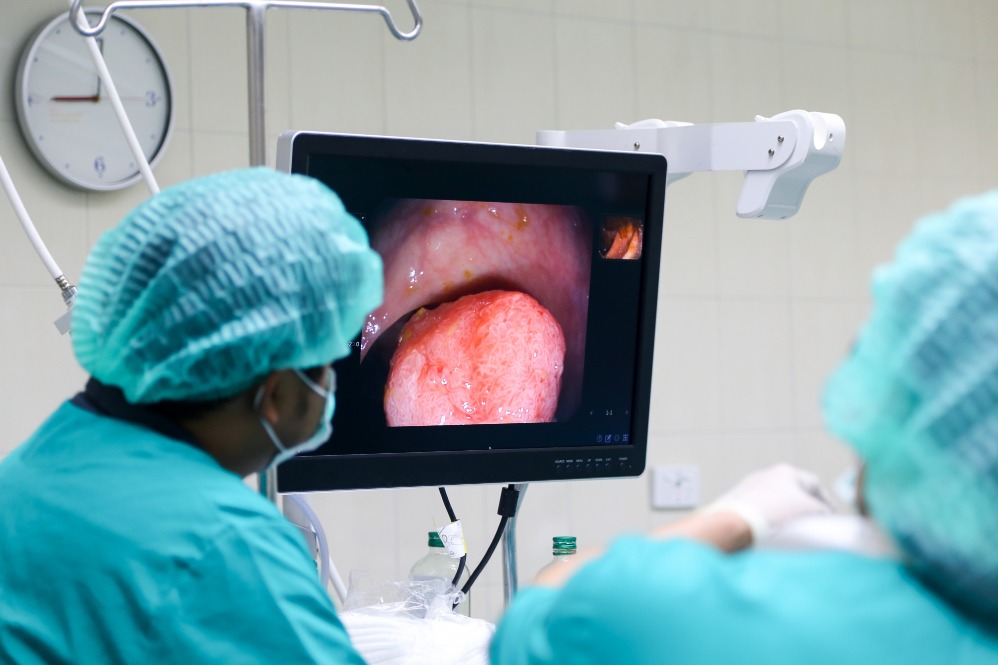
Repeated throat infections can interfere with school, work, sleep, and overall well-being. While medications often help manage occasional episodes, some people continue to experience persistent pain, difficulty swallowing, fever, and enlarged tonsils despite multiple courses of treatment. In these situations, Coblation and Laser Tonsils Surgery may be considered after a thorough evaluation by an ENT specialist.
Modern surgical techniques have made tonsil removal more precise than ever before. Understanding how these approaches work and when they are recommended can help patients make informed decisions about their treatment.
Why Do Tonsils Keep Becoming Infected?
The tonsils are part of the body's immune system and help fight infections, especially during childhood. However, when they become repeatedly infected, they can turn into a source of ongoing illness rather than protection.
Common reasons for chronic tonsil problems include:
- Recurrent bacterial infections
- Chronic inflammation
- Enlarged tonsils causing airway obstruction
- Poor response to repeated antibiotic treatment
- Formation of tonsil stones
- Frequent viral infections
People who suffer from repeated episodes often find that throat pain returns shortly after completing medication.
When Should Surgery Be Considered?
Not every sore throat requires surgery. ENT specialists usually recommend an assessment when tonsil infections become frequent enough to affect daily life or lead to complications.
Surgery may be considered if you experience:
- Multiple severe throat infections each year
- Persistent enlarged tonsils
- Difficulty swallowing food
- Recurrent fever due to tonsillitis
- Sleep disturbances caused by enlarged tonsils
- Repeated abscess formation around the tonsils
The decision depends on the patient's age, overall health, severity of symptoms, and examination findings.
Understanding Coblation Tonsils Surgery
Coblation technology uses controlled radiofrequency energy combined with saline to remove tonsil tissue at relatively lower temperatures than conventional techniques.
Potential advantages include:
- Reduced damage to surrounding tissues
- Less post-operative discomfort
- Minimal bleeding during surgery
- Faster healing in many patients
- Earlier return to normal eating and daily activities
Because nearby healthy tissue is preserved as much as possible, many patients experience a smoother recovery.
How Laser Tonsils Surgery Works
Laser-assisted surgery uses concentrated light energy to remove or reshape tonsil tissue with precision.
Depending on the patient's condition, laser surgery may offer:
- Accurate tissue removal
- Good surgical visibility
- Reduced bleeding
- Controlled treatment of enlarged tissue
- Effective management in selected cases
The choice between laser and coblation depends on individual clinical findings rather than personal preference alone.
Coblation vs Laser – What Is the Difference?
Both techniques aim to remove diseased tonsil tissue safely, but they differ in the technology used.
Coblation generally focuses on low-temperature tissue removal, which may reduce surrounding tissue damage. Laser surgery relies on focused light energy for precise cutting and tissue management.
Your ENT surgeon considers several factors before recommending one approach over the other, including:
- Severity of tonsil disease
- Patient's age
- Medical history
- Bleeding risk
- Extent of enlargement
- Presence of sleep-related breathing problems
Rather than asking which technique is universally better, it is more useful to ask which option is better suited to your specific condition.
Recovery After Modern Tonsil Surgery
Recovery varies from person to person, but following post-operative instructions can significantly improve healing.
Patients are usually advised to:
- Stay well hydrated
- Eat soft, nutritious foods
- Take medications exactly as prescribed
- Avoid strenuous activity for a short period
- Attend scheduled follow-up appointments
Most discomfort gradually improves over the first couple of weeks, allowing patients to return to their normal routine.
Is Surgery the Right Choice?
Modern tonsil surgery is generally recommended only after conservative treatment has failed or when recurrent infections continue to affect quality of life. A proper evaluation helps determine whether surgery is truly necessary and which technique offers the best outcome.
For families in Nashik, Maharashtra, choosing the right treatment for persistent tonsil problems begins with an accurate diagnosis. Omkar ENT Hospital evaluates each patient individually before recommending Coblation and Laser Tonsils Surgery, ensuring that the treatment approach matches the severity of the condition and supports a safe recovery with long-term relief.