

Cochlear Implant Surgery In Nashik
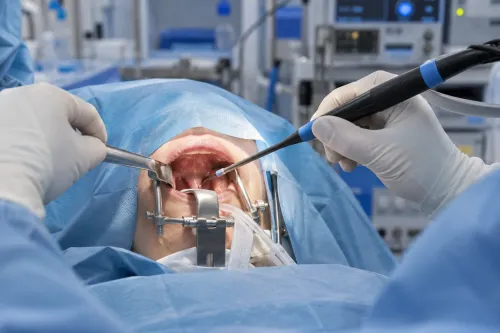
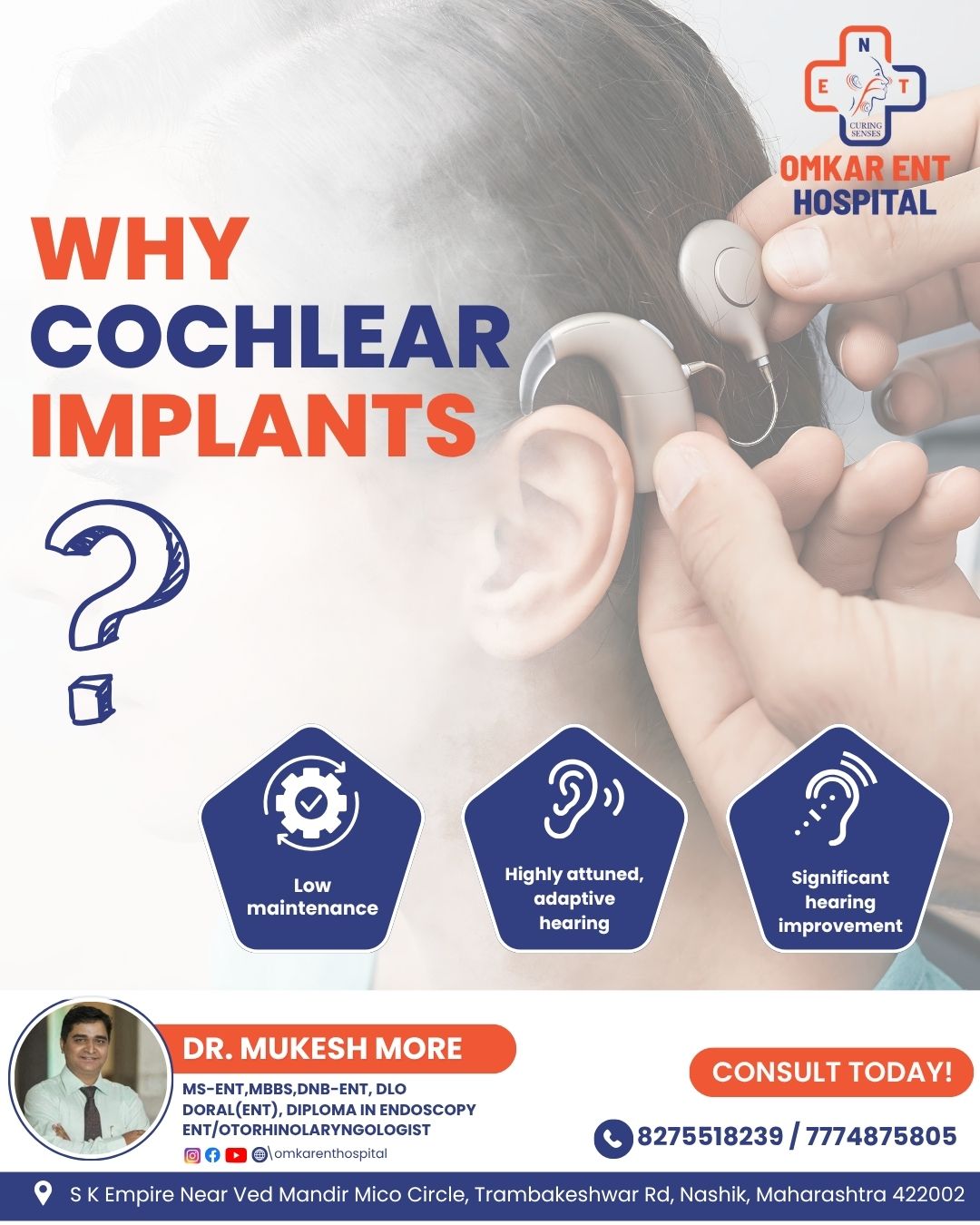
A cochlear implant is a medical device designed to restore sensorineural hearing loss by bypassing damaged components of the ear and directly stimulating the auditory nerve. An implant consists of external and internal components that work together to convert sound into electrical signals, which are transmitted to the cochlea and stimulate the auditory nerve. This technology is a significant advancement, offering improved hearing and quality of life for individuals with severe to profound hearing loss.
Cochlear implantation involves selecting suitable candidates through a comprehensive evaluation, including audiometric testing and radiologic assessments. Criteria for eligibility often depend on the severity of hearing loss, age, and the presence of specific anatomical or physiological conditions. Collaboration among otolaryngologists, audiologists, and other specialists ensures that patients receive optimal care. Cochlear implants offer remarkable benefits across age groups. Despite their advantages, cochlear implants require ongoing postoperative care, device programming, and rehabilitation. As a relatively new and rapidly evolving area of medicine, advancements continue to improve its effectiveness. This activity for healthcare professionals is designed to enhance the learner's competence in recognizing the indications and contraindications for cochlear implants, performing surgical techniques, and implementing an appropriate interprofessional management approach to improve patient outcomes.
Objectives:
Identify current indications for cochlear implants.
Implement management guidelines for cochlear implants.
Apply procedural techniques for cochlear implants.
Apply interprofessional team strategies to improve care coordination and outcomes for patients with cochlear implants.
#omkarenthospital #enthospital #entclinic #nashikenthospital #drmukeshmore #entspecialist #entnashik #nashikentdoctor #nashikenthospital #drmukeshmoreent
A cochlear implant is a medical device designed to restore sensorineural hearing loss by bypassing damaged components of the ear and directly stimulating the auditory nerve. An implant consists of external and internal components that work together to convert sound into electrical signals, which are transmitted to the cochlea and stimulate the auditory nerve. This technology is a significant advancement, offering improved hearing and quality of life for individuals with severe to profound hearing loss.
Cochlear implantation involves selecting suitable candidates through a comprehensive evaluation, including audiometric testing and radiologic assessments. Criteria for eligibility often depend on the severity of hearing loss, age, and the presence of specific anatomical or physiological conditions. Collaboration among otolaryngologists, audiologists, and other specialists ensures that patients receive optimal care. Cochlear implants offer remarkable benefits across age groups. Despite their advantages, cochlear implants require ongoing postoperative care, device programming, and rehabilitation. As a relatively new and rapidly evolving area of medicine, advancements continue to improve its effectiveness. This activity for healthcare professionals is designed to enhance the learner's competence in recognizing the indications and contraindications for cochlear implants, performing surgical techniques, and implementing an appropriate interprofessional management approach to improve patient outcomes.
Objectives:
Identify current indications for cochlear implants.
Implement management guidelines for cochlear implants.
Apply procedural techniques for cochlear implants.
Apply interprofessional team strategies to improve care coordination and outcomes for patients with cochlear implants.
#omkarenthospital #enthospital #entclinic #nashikenthospital #drmukeshmore #entspecialist #entnashik #nashikentdoctor #nashikenthospital #drmukeshmoreent